Celebrating Black Voices in Picture Books
One of the most special parts of reading is the ability to see yourself through the lens of someone like you, or who has lived a different experience than you. Both instances are incredibly valuable in different ways! Feeling seen in a story or learning about someone else’s experience both expand the way you view the world! In this blog post I wanted to amplify some wonderful picture books by Black voices! Let these stories inspire you and your little reader to head to your local bookstore/ library and get lost in a new narrative.
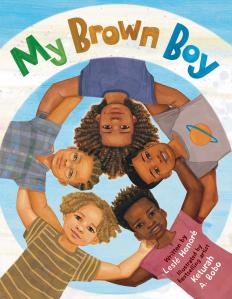
An affirming picture book that celebrates the brilliance and power of brown and Black boys to achieve their dreams, from poet and activist Leslé Honoré and #1 New York Times bestselling illustrator Keturah A. Bobo.
My brown boy laughs like a song,
rhythm like rain, soft and strong.
He holds the power to be
so bold, so magically free.
Moving verse by poet and activist Leslé Honoré and exuberant art by #1 New York Times bestselling illustrator Keturah A. Bobo come together in a joyful ode to the creativity, courage, and kindness of brown and Black boys. A companion title to Brown Girl, Brown Girl, this timeless picture book encourages young readers to be expansive, emotional, brilliant—whoever they want to be.
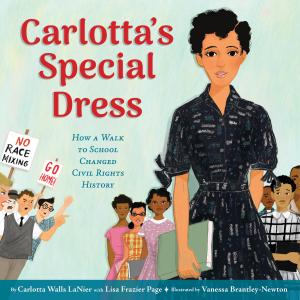
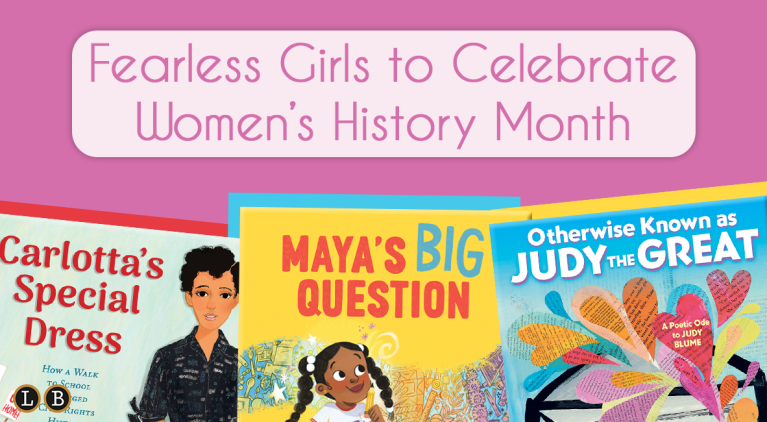
Carlotta Walls LaNier, the youngest of the Little Rock Nine, shares the true story about a girl, a dress, and the historic fight to attend an all-white school in Little Rock, Arkansas.
Carlotta can’t wait to wear her new dress on her first day of school. But when the moment finally arrives, she isn’t allowed to go. The year is 1957, and the people of Little Rock, Arkansas, don’t want Black students attending an all-white school and will do whatever it takes to keep them out. As hate and danger escalate, will Carlotta and her Black classmates, known as the Little Rock Nine, have the strength and perseverance to keep dreaming of a better world?
This moving picture book autobiography from a Civil Rights pioneer—with extensive back matter including an author’s note, comprehensive timeline, and historical photos—introduces a landmark event in the fight for desegregation and demonstrates the world-changing power children have to enact change through bravery and faith.
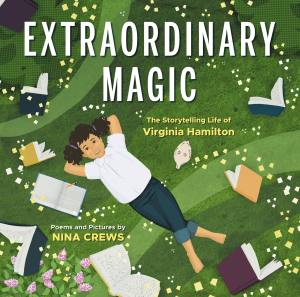
Virginia was free.
To be a dreamer.
To be a wanderer.
To be her own unique self.
Free to be.
Virginia Hamilton was only nine years old when she decided she would become a writer. Growing up in the countryside of Ohio, she listened to her family’s stories and knew that words held extraordinary magic. From her childhood years discovering her love for storytelling, to her early adult life honing her craft in the city, Virginia found her voice in her writing as she began a career defined by her roots.
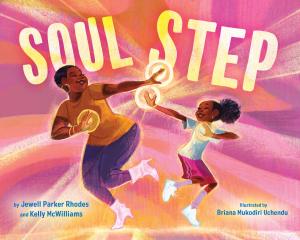
Written by the mother-daughter duo Jewell Parker Rhodes and Kelly McWilliams, and gorgeously illustrated by Briana Mukodiri Uchendu, Soul Step is a loving ode to sisterhood and the tradition of stepping that lets women and girls, and people of all backgrounds, step loud and be proud.
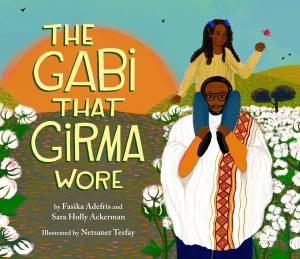
This is one of those special stories that provide a window into communities and experiences far, far away from here in the United States. The Gabi That Girma Wore is a lyrical celebration of Ethiopian culture that follows the creation of a traditional Gabi from a little cotton seed all the way to Girma’s hands.
This vibrant and lushly illustrated tale pays tribute to the Gabi— a traditional Ethiopian cloth that is used to celebrate both community and culture. From the tiny seed to the fluffy white cotton, from the steady hands of the farmer to the swift fingers of the weaver, from the busy shopkeeper, to a gift for a loved one, follow the journey of the Gabi that Girma wore in this lively and rhythmic tale that’s perfect to read aloud.
Sparrow sets out for a day of birding, where she watches, listens, and identifies the many types of birds around her through their color (red—a cardinal), song (“Cheer up! Cheer up!”—a robin), and movement (flitting backward, forward, and even upside down—a hummingbird). Using her notebook and markers, Sparrow records all the birds she sees on her walk.
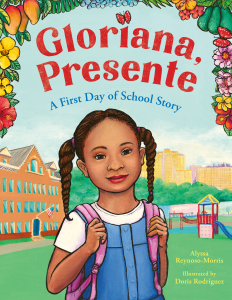
On the first day of elementary school, Abuela soothes Gloriana’s nerves by telling her stories from their family home in la República Dominicana. But as soon as Gloriana enters the classroom, the tropical scenery crumbles and la música is replaced with English phrases she does not understand. When other kids approach her to play at recess, she freezes, uncertain about how to exist between her two homes, or how to make new friends between her two languages. Abuela recognizes echoes of her own immigration journey on this challenging day at school, and she gently guides Gloriana towards newfound confidence.
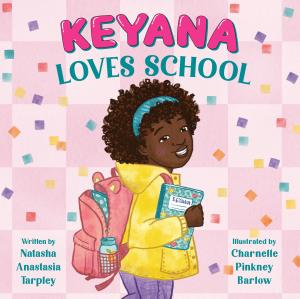
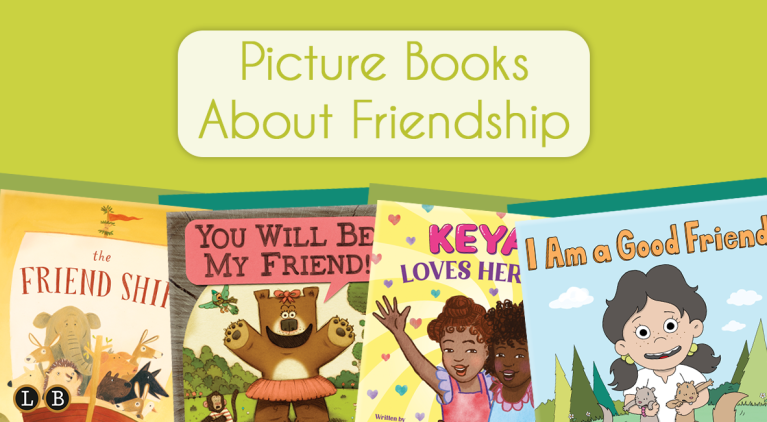
Keyana has come up with the perfect idea for a class project, and getting it done is pretty fun! All she has to do is pick the people and places she loves around her school. But when the teacher asks Keyana to present the project in front of everyone, she’ll have to find a little bit of confidence and a big way to share.
Keyana has come up with the perfect idea for a class project, and getting it done is pretty fun! All she has to do is pick the people and places she loves around her school. But when the teacher asks Keyana to present the project in front of everyone, she’ll have to find a little bit of confidence and a big way to share.
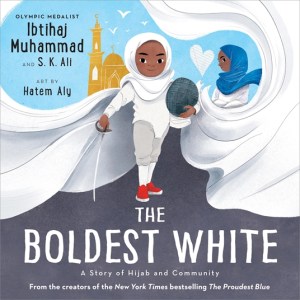
From the team behind The Proudest Blue and The Kindest Red comes another empowering story of family, community, and acceptance.
Faizah loves being part of the community at her mosque, and she loves being part of the group at her fencing lessons. When all eyes are on her, though, Faizah freezes up. Mama says bravery will come with time, but there’s a fencing tournament coming up—does Faizah have what it takes to be bold?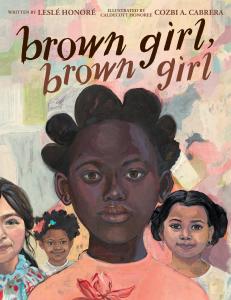
Brown girl, brown girl, what did you see?
A world that sees my skin before it sees me.
Based on a viral poem by Blaxican poet and activist Leslé Honoré, and illustrated by Caldecott Honoree Cozbi A. Cabrera, this moving journey through the past, present, and future of brown and Black girls is a celebration of community, creativity, and joy—and offers a reminder of the history that inspires hope, and the hope that inspires activism.