Storey – Earth Day
Earth Day
From poems and crafts to practical advice, these books celebrate the natural beauty of our planet and teach us the ways we can interact and appreciate the land we live on every day of the year.

Author Brandon Ruiz shares his expertise in the world of plant medicine, offering clear, concise descriptions of edible wild plants, as well as critical information about proper harvesting and processing. Ruiz has curated the plant selection to include the most common, most helpful healing plants, ranging from Japanese knotweed and horsetail to chickweed, bee balm, mimosa, wild rose, kudzu, and more.
With Ruiz’s expert advice and easy-to-follow guidelines, readers will be confident in identifying which plants they can safely collect and which ones they should definitely avoid. Each plant profile includes:
- Clear ID photos, with close-ups of leaves, flowers, and fruit
- Guidance on where to find each plant, from its range to the types of environments it typically grows in
- Information on the plant’s medicinal usages
- Directions on how to harvest it and the best medicinal preparations
Also includes simple, adaptable recipes for plant-based medicines, from soothing teas to powerful tinctures. This is the essential beginners’ guide to foraging and using medicinal plants—and staying alive while doing it.
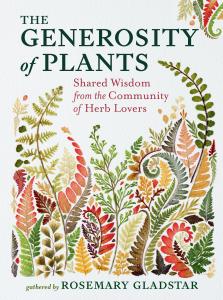
Renowned herbalist Rosemary Gladstar presents a beautiful keepsake collection of teachings, reflections, and insights on the plant world and herbal healing, featuring diverse voices from the community of herbal teachers and practitioners.
A beloved teacher and leader in the herbal healing world for more than 50 years, Rosemary Gladstar has curated this collection to explore key themes in herbalism, including:
- The sacred teachings of the plants
- The importance of preserving knowledge of the plants’ healing properties and the work of herbal healers
- The practices of gardening and gathering herbs in the wild
- The power and passion of the herbal community
- The rich value of living with gratitude and reverence for the Earth, and a deep connection to the plant world.
Many of the quotes are original to this collection, excerpted from Gladstar’s private correspondence and conversations. Her narrative voice introduces each theme, and the text is accompanied by stunning photographs and artwork celebrating the beauty and wonder of plants.
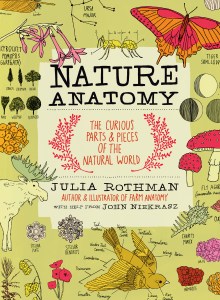
See the world in a whole new way with acclaimed illustrator Julia Rothman’s beautiful nature guide book.
Nature Anatomy combines art and science in this exciting and educational guide to the structure, function, and personality of the natural world. Explore the anatomy of a jellyfish, the inside of a volcano, monarch butterfly migration, how sunsets work, and much more. Rothman’s whimsical illustrations are paired with interactive activities that encourage curiosity and inspire you to look more closely at the world all around you.
Also available in Julia Rothman’s Anatomy series – Nature Anatomy Notebook, Ocean Anatomy, Food Anatomy,Farm Anatomy, and Wildlife Anatomy.
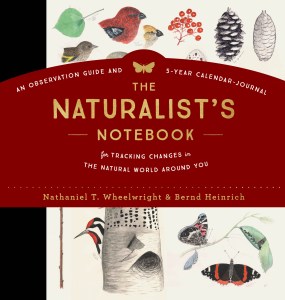
Become a more attentive observer and deepen your appreciation for the natural world with this unique five-year calendar.
“A marvelous guide to curiosity and wonder.” —David George Haskell, Pulitzer prize-nominated author of The Forest Unseen and The Songs of Trees
The Naturalist’s Notebook helps you create a long-term record and point of comparison for memorable events, such as the first songbird you hear in spring, your first monarch butterfly sighting of summer, or the appearance of the northern lights. Biologist Nathaniel T. Wheelwright and best-selling author Bernd Heinrich teach nature lovers of all ages what to look for outdoors no matter where you live, using Heinrich’s classic illustrations as inspiration.
As you jot down one observation a day, year after year, your collected field notes will serve as a valuable record of your piece of the planet. This deluxe book includes:
- A three-piece case
- Gilt edges
- A burgundy ribbon bookmark
The Naturalist’s Notebook is the perfect gift for all nature lovers!
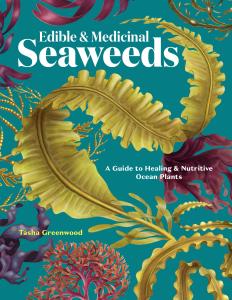
Author Tasha Greenwood combines their expertise in marine biology and clinical herbalism in this richly layered and fascinating reference, which includes place-based observation, botanical profiles, and recipes that tap into the medicinal and culinary uses of these nutrient-dense marine plants. Readers will learn about the unique characteristics of 14 North American seaweeds, from well-known species such as Laminaria (kelp) and Pyropia (nori), to lesser-known algae such as Mazaella and Cystoseira. Profiles of seaweed farmers and ocean stewards highlight this plant’s potential as a sustainable, nutrient-dense food of the future, and encourages readers to cultivate relationships with seaweed, whether through food, medicine, or ecological observation.
Easy-to-follow step-by-step seaweed herbal remedies and recipes include:
- Irish moss cough syrup
- Soothing seaweed face mask
- Seaweed fire cider to boost immunity
- Anti-inflammatory turmeric and bladderwrack tea
- Iron-boosting sea lettuce syrup
- Immune-boosting elderberry gummies with seaweed derived agar
- And many more!
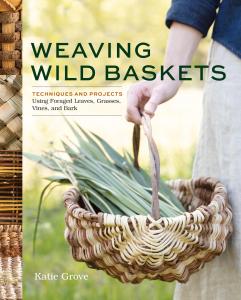
All kinds of plant parts can be used for basketmaking—including leaves, grasses, stems, vines, and bark. Author and basketmaker Katie Grove offers complete instructions for harvesting and preparing more than 50 plants for basketmaking, along with 14 different projects that teach the nine essential basketry techniques, including cordage, coiling, twining, wickerwork, and more. An illustrated harvest calendar explains when each plant is ready for harvesting, and photos of every step in the process, from harvesting to weaving, demonstrate the techniques.
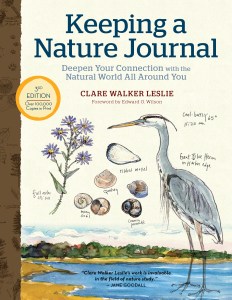
Hone your observation and drawing skills with this mindful nature journal, filled with prompts to get you engaged in the world around you.
“Leslie’s captivating journal pages ease you into the practice of keeping a nature journal. Now, more than ever, this practice is needed for solace, learning, connecting, and caring.” -Sandy McDermott, artist and teacher
Clare Walker Leslie’s approach has long been acclaimed for its accessible style of teaching people to see, witness, and appreciate the wonders of nature. With an emphasis on learning to see and observe, Leslie shows how drawing nature doesn’t require special skills, artistic ability, or even nature knowledge in order to reap the benefits of her book.
Originally published in 2000 with endorsements from E.O. Wilson and Jane Goodall, Keeping a Nature Journal was at the forefront of the nature observation and journaling movement. The third edition features more of Leslie’s step-by-step drawing techniques, a new selection of pages from her own journals (which she’s kept for 40 years), and an expanded range of prompts for observing particular aspects of the natural world in any location.
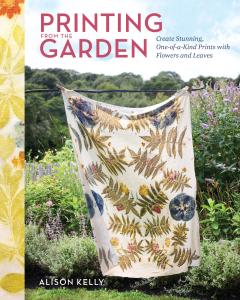
A first-of-its-kind visual guide and instructional handbook, Printing from the Garden showcases the stunning results one can achieve by using 30 common leaves and flowers to print on cloth and paper, capturing their unique forms and colors. No experience required: teacher and textile artist Alison Kelly provides step-by-step, photographed instructions for bundle dyeing, mirror printing, and printing on clothing. She offers many examples to illustrate the beautiful results that are possible. Anyone can create vibrant botanical artworks using nature’s design wonders:
- Eucalyptus
- Rose of Sharon
- Daylily
- Coreopsis
- Queen Anne’s lace
- And many more
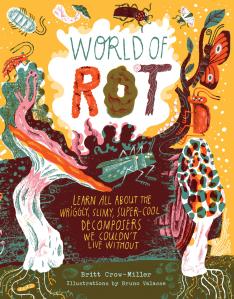
With a touch of humor and quirky full-color illustrations, kids will learn about the life-recycling system happening all around us—in the sea, in the soil, and even inside our own bodies. Profiles of decomposers such as hungry fungi and familiar worms, poop-slurping butterflies, and slimy banana slugs offer something to pique the curiosity of every kid. Readers will also learn the heroic role decomposers might play in fighting climate change and eating plastic.