10 Must-Have Books for Master Gardeners

Timber Press prides itself on publishing authoritative, trustworthy books and we are honored to help Master Gardeners fulfill their mission to bring the art and science of gardening to the general public.
Here is a list of books to help Master Gardeners fill out their personal libraries and help us prove the motto: Learn more, grow more!
Save 20% on your entire order with code: MASTER
The resource that deer-plagued gardeners have been waiting for. Essential reading for anyone gardening in deer country.
Niki Jabbour
10. By showcasing real home gardens across North America, Karen Chapman reveals innovative ways to manage the presence of deer.

“Fear deer no more! The best source I’ve seen on the topic!” —Tracy DiSabato-Aust, award-winning garden designer and best-selling author
Deer are one of the most common problems a gardener can face. These cute but pesky animals can quickly devour hundreds of dollars’ worth of plants. And common solutions include the use of unattractive fencing and chemicals.
In Deer-Resistant Design, Karen Chapman offers another option—intentional design choices that result in beautiful gardens that coexist with wildlife. Deer-Resistant Design showcases real home gardens across North America—from a country garden in New Jersey to a hilltop hacienda in Texas—that have successfully managed the presence of deer. Each homeowner also shares their top ten deer-resistant plants, all welcome additions to a deer-challenged gardeners shopping list. A chapter on deer-resistant container gardens provides suggestions for making colorful, captivating, and imaginative containers. Lushly illustrated and filled with practical advice and inspiring design ideas, Deer-Resistant Design is packed with everything you need to confidently tackle this challenging problem.
The Queen of organic growing…a human search engine when it comes to questions about gardening and cooking.
Heidi Julavits, The New York Times Style Magazine
9. No one does it better. Really. Barbara Damrosch has spent her life in the garden and put everything she’s learned in this book.
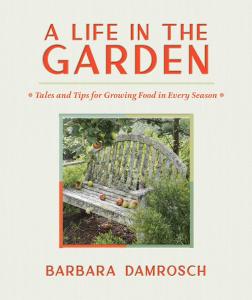
“Drawing on a lifetime of organic gardening, Barbara Damrosch collects her lessons learned and wisdom gained into an easy-to-read-and-enjoy overview of kitchen gardening. For the new gardener, there is encouragement on top of nuts-and-bolts advice. For every gardener, there is inspiration to face the challenges inherent in a life deeply rooted in and fed from the garden.” —American Gardener
In A Life in the Garden, horticultural icon Barbara Damrosch imparts a lifetime of wisdom on growing food for herself and her family. In writing that’s accessible, engaging, and elegant, she welcomes us to garden alongside her. Personal, thoughtful, and often humorous, this book offers practical DIY insights that will delight gardeners, cooks, and small-scale farmers. With a personal and sometimes irreverent tone, Barbara expresses the pleasure she takes in gardening, the sense of empowerment she finds in it, and the importance of a partnership with the real expert: nature.
If you’re interested in achieving closed-loop sustainability while keeping garden aesthetics in mind, Practical Permaculture can serve as a detailed roadmap.
Garden Design
8. Some want their garden to reflect their personality, while others want their garden to reflect their values. Learn how to have both with this permaculture primer.
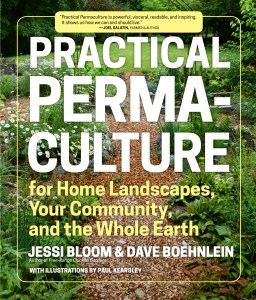
The concept behind permaculture is simple: take care if the earth and the earth will take care of you. In clear, logical steps Practical Permaculture offers the tools and advice you need to live a life rich in healthy food and renewable resources. Jessi Bloom and Dave Boehnlein, two dynamic leaders in the garden community, explain the basics of permaculture, sharing detailed information on the plants, water, waste, energy, shelter, food, animals, and structures that make up a permaculture landscape. Featuring the fifty most useful plants for permaculture landscapes and filled with real-life examples from all over the world, this invaluable resource will help you turn your property into a sustainable ecosystem.
A thorough yet accessible look at mycorrhizal fungi and their critical role in plant health and survival.
The American Gardener
7. Almost every plant in a garden forms a relationship with fungi. This “small but mighty guide” helps gardeners use it to their advantage.
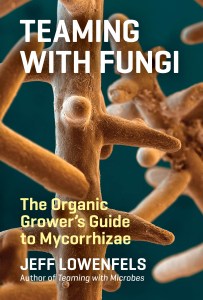
Teaming with Fungi is an important guide to mycorrhizae and the role they play in agriculture, horticulture, and hydroponics. Almost every plant in a garden forms a relationship with fungi, and many plants would not exist without their fungal partners. By better understanding this relationship, home gardeners can take advantage of the benefits of fungi, which include an increased uptake in nutrients, resistance to drought, earlier fruiting, and more. This must-have guide will teach you how fungi interact with plants and how to best to employ them in your home garden.
When it comes time to prune your trees and shrubs, don’t make a cut without consulting Pruning Simplified
The New York Times Book Review
6. Pruning is intimidating, but it doesn’t have to be. Steven Bradley walks gardeners through the process with 50 of the most common trees and shrubs. Simple as that.
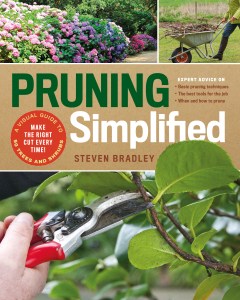
Are you intimidated by pruning? Or tired of paying a professional to tackle the task? You can prune most trees and shrubs on your own, and Pruning Simplified shows you exactly how to do it. This must-have guide offers expert advice on the best tools for the job, specific details on when to prune, and clear instructions on how to prune. Profiles of the 50 most popular trees and shrubs—including azaleas, camellias, clematis, hydrangeas, and more—include illustrated, easy-to-follow instructions that will ensure you make the right cut the first time.
Linda removes much of the mystery from gardening, replaces it with reliable knowledge, and does it all while retaining the wonder that makes this activity so inspiring.
Steve Aitken, editor of Fine Gardening
5. If you’ve ever wondered, “Why did my plant do that?”, this book is for you. Linda Chalker-Scott busts the myths about plant behavior to bring readers the best science-based growing advice.
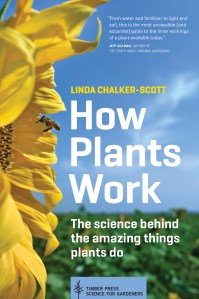
“Makes the science of plant processes accessible to home gardeners.” —The American Gardener
Why do container plants wilt even when they’ve been regularly watered? Why did the hydrangea that thrived last year never bloom this year? Plant physiology—the study of how living things function—can solve these and most other problems gardeners regularly encounter. In How Plants Work, horticulture expert Linda Chalker-Scott brings the stranger-than-fiction science of the plant world to vivid life. She uncovers the mysteries of how and why plants do the things they do, and arms you with fascinating knowledge that will change the way you garden.
Remains the best book on the topic.
New Jersey Herald
4. Like a perennial garden, this book just keeps on giving. Author Tracy DiSabato-Aust explains the process of growing and maintaining healthy perennials in such detail, readers will find something new every time they take it down from the shelf.
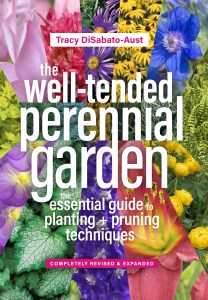
Whether you are a new gardener or a green thumb, The Well-Tended Perennial Garden is here to help you successfully plan, plant, and tend your garden. This hardworking guide includes thorough details on the essential practices of perennial care—included deadheading, pinching, and thinning—along with growing information for specific species and cultivars, on-trend garden design advice, a monthly planting and maintenance schedule, and details on native plants and gardening for wildlife. The Well-Tended Perennial Garden will be your ally in the quest for a beautiful, well-maintained garden.
Both a primer on how landscapes develop in the wild and a manual for learning how to observe wild areas and then apply nature’s principles to your own garden.
Gardenista
3. You don’t have to sacrifice beauty for sustainability. This book proves it.

This “thoughtful, intelligent” gardening book will help readers create a garden that nurtures the wildlife communities surrounding them (The New York Times Book Review).
Many gardeners today want a home landscape that nourishes and fosters wildlife, but they also want beauty, a space for the kids to play, privacy, and maybe even a vegetable patch. Sure, it’s a tall order, but The Living Landscape shows you how to do it. You’ll learn the strategies for making and maintaining a diverse, layered landscape—one that offers all of the following:
*Beauty on multiple levels
*Outdoor rooms and turf areas for children and pets
*Fragrance and edible plants
*Shelter and sustenance for wildlife
Richly illustrated, The Living Landscape will enable you to build the garden of your dreams.
An essential guide for anyone interested in increasing biodiversity in the garden.
American Gardener
2. Doug Tallamy confirms the link between native plants and wildlife, and in the process reveals what Master Gardeners have known all along: That gardeners can make a difference. A big difference.
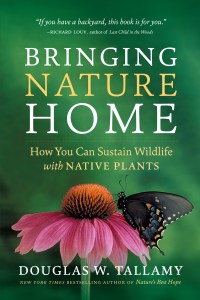
This “miracle” of a guide book shows readers how to maintain harmony within their environment (Margaret Renkl, The Washington Post).
In his groundbreaking book Bringing Nature Home, Douglas W. Tallamy reveals the unbreakable link between native plant species and native wildlife—native insects cannot, or will not, eat alien plants. When native plants disappear, the insects disappear, impoverishing the food source for birds and other animals. As development and habitat destruction accelerate, there are increasing pressures on wildlife populations.
Luckily, there is an important and simple step we can all take to help reverse this alarming trend: everyone with access to a patch of earth can make a significant contribution toward sustaining biodiversity by simply choosing native plants. By acting on Douglas Tallamy’s practical and achievable recommendations, we can all make a difference.
An outstanding and enjoyable introduction to botany, whether the reader is a gardener, or just a garden visitor.
Bloomsbury Review
1. You have to start with the basics and there’s no better introduction to the science of plants than this classic by Brian Capon. With more than 260,000 copies in print, Botany for Gardeners is the go-to resource for students and gardeners.

This bestselling reference guide is essential for any experienced or buddening gardener.
All questions about complex plant processes can be found in the Botany for Gardeners. First published in 1990 with more than 260,000 copies sold, it has become the go-to introduction to botany for students and gardeners. Now in its fourth edition, Botany for Gardeners has been expanded and updated. It features a revised interior, with new photos and illustrations.
Additional updates address scientific advances, changes in nomenclature and taxonomy, and more. As before, Botany for Gardeners shares accessible information about how plants are organized, how they have adapted to nearly all environments on earth, their essential functions, and how they reproduce.
“This should be the cornerstone of every gardener’s library.” —Jeff Gillman, Director of the UNC Charlotte Botanical Gardens
Master Gardeners are volunteer educators, neighbors, and on-the-ground researchers who serve their community with solid training in science-based, sustainable gardening and a love of lifelong learning.
Oregon State University Extension Master Gardener Program
Interested in learning more about Master Gardeners? Oregon State University has a great information page: Just click here.