The Fermentation Wheel of the Year
Thank you for pre-ordering THE FERMENTATION ORACLE! Your Wheel of the Year will be arriving soon. The wheel includes space for you to write in your seasonal foods based on your experience of place. I encourage you to fill it in with abandon!
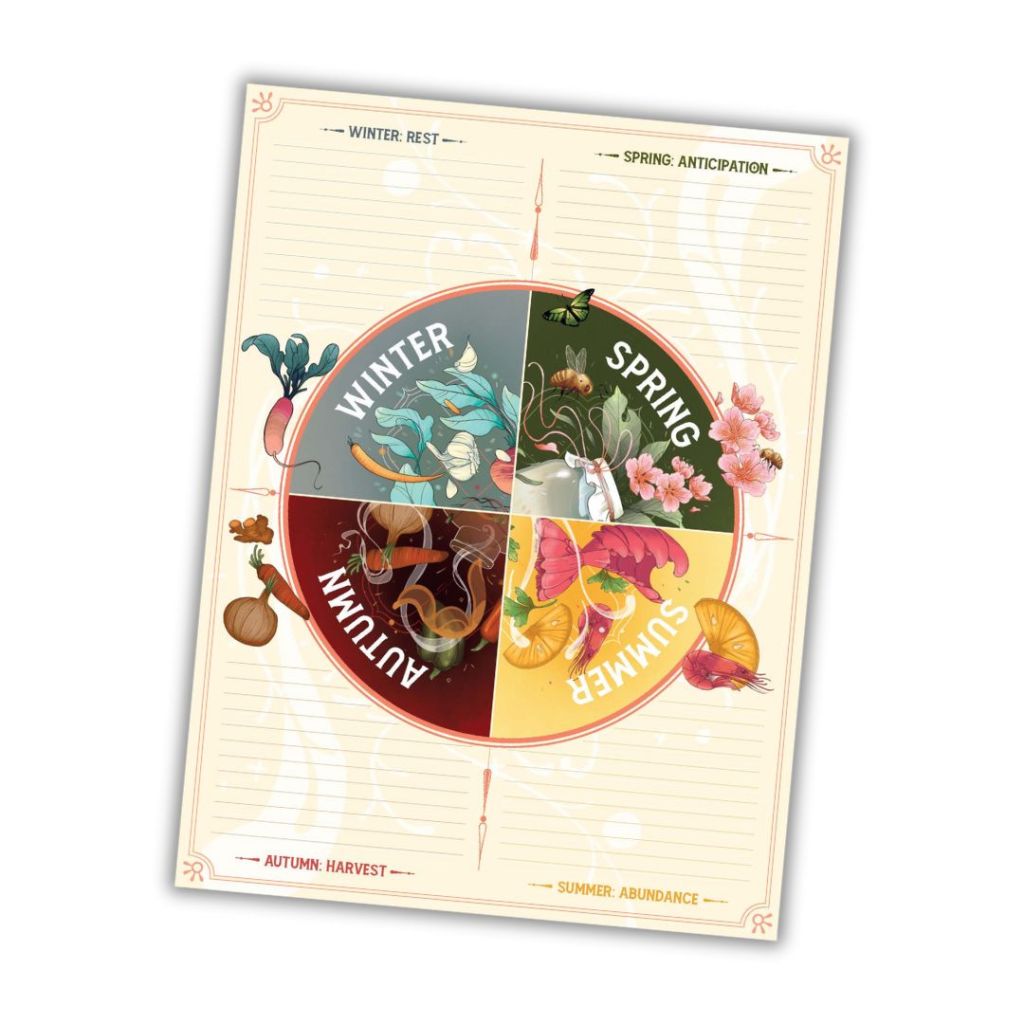
This guide to eating through the wheel of the year was made to inspire you to make ferments based on season and place, and to celebrate both, wherever you are and however you celebrate.
Notice if you feel a shift internally after eating your seasonal ferment (the shift might just be “I feel full” and that’s great too!) Do you feel more connected to place? Do you feel a sense of yourself as part of this landscape, or more a part of nature in general?
There’s no wrong answer. Just like the flavors you add to your ferments, all that matters is that you’re creating something that you love.
Your Wheel of the Year
The Fermentation Wheel of the Year considers both the type of fermentation that you might do at a certain time, and the types of ingredients you might find to support you in your fermentation practice. Since many of my readers are in the Americas and Europe, I’ve focused my attention on ingredients in these places, so adjust my lists to what’s available near you if you need.
I include ingredients that reflect the season in your own pantry and in the wild. As always with wild harvesting anything, do so sustainably, make sure you’ve identified your plant correctly, ask the plant’s permission before harvest, and give the plant gratitude for sharing their gifts.
The Fermentation Wheel of the Year meant to serve as an overarching inspiration for your own seasonal, contemplative creative practice in the kitchen. As a jumping off point rather than an end point.
Winter: Rest
We begin the calendar year within the season historically associated with rest: crops have been put to bed for the winter, and we rely on what’s already been grown and put up to nourish us through this season. Slowness and intentionality, and a restful pace, guide us as we start the year, allowing us to be planful, thoughtful, and to look ahead with excitement.
When we start from a place of rest, we move through the seasons resourced and refreshed. However busy you may be, whatever incredible work you’re creating, remember that even the most beautiful flowers can’t bloom all the time. Take this time for slow, intentional projects and slow, intentional reflection to build the foundation of a year that unfolds beautifully and at a pace that honors you.
Ferments: Long, slow ferments like miso, shoyu, and other amino pastes and sauces made from nuts, roots, etc. Brine made with decoctions of roots, used to lactoferment vegetables. Tannic brines for pickled cucumbers. Infused vinegars. Nut pastes, nut cheeses. Squash dishes, garlic paste.
Foods you might forage + find: Dried beans and grains; vinegar and alcohol for infusing and cooking; winter squash, potatoes, apples, cabbage, onions, garlic, and other foods that store well. Cold-hardy greens (like collards) and herbs. Nuts, barks, roots, some mushrooms.
Spring: Anticipation
In Spring, the Earth begins to stir and so do we. Our cool weather root vegetables are ready to harvest, and shoots emerge for our bright spring greens and spring vegetables like peas. As the days begin to grow longer and warmer, hens begin to lay eggs, and goats, sheep, and cows produce fresh milk.
It’s also a time of spring berries and flowers: I love making everything from rose petal infusions to violet shrubs to berry cocktails this time of year (or just eating berries straight off the vine). Spring is a reminder of the cycles of abundance in our lives: The personal ebbs and flows we experience being reflected in the collective. And in the collective care we choose to perform as our abundance grows.
In springtime, we get to lean into the joy of anticipation, feeling all the abundance that’s to come. Let yourself feel that deeply, and lean into the pleasure of growing, warming days.
Ferments: This is a great time to work with the fresh dairy and eggs that become available in spring: Cheese, yogurt, soy sauce eggs and pickled eggs, for example.
Infusions, including tinctures, infused vinegars, and drinks like shrubs and liqueurs, made from spring greens, herbs, and flowers, really shine in spring: like my elderflower cordial. I love infusing mineral-rich foraged greens (think nettles, cleavers, and chickweed) in vinegar, which extracts minerals and gives you a nice nutrient boost in your meals.
Floral and berry-studded sodas and meads are perfect this time of year too, as well as ferments made with those last root vegetables and hearty greens that are ready to harvest (think a short ferment on kraut-chi made with swiss chard, or pickled burdock, beets, and carrots).
Foods you might forage + find: wild greens like chickweed, cleavers, nettle, and violet, flowers, spring berries, fresh peas and pea shoots, root vegetables, morel mushrooms, asparagus, herbs, green garlic and onions.
Summer: Abundance
Warmed by the sun, summertime plants are heavy with fruit. Walking in a summer garden is like taking a walk through the garden of Eden, and often the food is ripe so fast that you may find yourself out harvesting something new every day.
Summer is a reminder of the earth’s abundance and care for us, but it’s also a reminder of ephemerality: The taste of a summer tomato is divine, and drastically different from a hothouse tomato eaten in winter. The glorious and fleeting flavors of this season remind us to lean in fully, arms open, to life and its riches. To taste it all, and leave satisfied and ready for more. The pace of summer is fast, but restful: we carry forward our rested, resourced selves from winter as we pick and preserve our bounty, and recharge our batteries with summer vacations in between.
This season, eat fruit with abandon, really savor each bite of fresh tomato as you pull them from the vines, and notice how, the more you take in the pleasures of life, the more those pleasures continue to come to you.
Ferments: Vegetables and fruits are ripe for the picking, and pickling, this season: I love making pickled cucumbers (but in hot climates, keep a very close eye and pull them when they just start to change color). Fermented hot sauce, fermented salsa, and pickled fruit all make an appearance too. Fermentation goes more quickly in warmer weather, so this is a great time to do some quick lactoferments, or to make quick pickles of some of your favorite staples (like dilly beans with fresh green beans).
Foods you might forage + find: Tomatoes, of course, plus summer fruits and berries (like cherries), summer squash, hot peppers and not-hot peppers, ground cherries, tomatillos, basil and other herbs, bananas, green beans, okra, cucumbers.
Fall: Harvest, settling down to rest
As our year draws to a close, we see many traditional harvest festivals (like Samhain) that mark the end of the growing season and the shortening of days. These days feel like the moment we climb into bed at night: Just as we begin to pull the covers over ourselves, make any final adjustments to how we’re lying, and get ready to turn off the light and settle into rest.
Autumn offers us the opportunity to witness and feel gratitude for the year’s abundance: To see our storehouses filled and ready for the winter ahead, and to begin to slow our pace from the frenzied days of growing and harvest. In these moments, we also get to enjoy foods that are themselves the markers of seasonal shift and times in between seasons: Like winter squash, which can store for a whole season. Or root vegetables like burdock and carrots, or greens. Just as the growing season began with roots and shoots, so too does it end, as our gardens and farms prepare for their winter rest.
Ferments: This is a great time to play with squash and root vegetables: I love lactofermenting squash cubes with cranberries, apples, spices, and nuts for several days as a holiday side dish. Speaking of apples, this is the season for apple cider vinegar and all your favorite apple ferments.
It’s also a great time to lean into your love of grains with bread and with beet kvass, and some of my favorite fall ferments: kimchi, sauerkraut, and wine. The cooler days are also the perfect time to start your miso and shoyu, giving them time to slowly ferment through fall and winter.
Foods you might forage + find: Winter squash, root vegetables (burdock, carrots, parsnips, salsify, beets, potatoes, etc.), corn, greens, cranberries, wild cooler weather greens like chickweed and violet, grains, legumes, apples, cabbages, grapes, nuts, mushrooms.
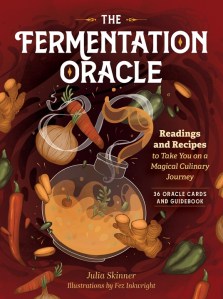
Award-winning author Julia Skinner ?combines her passion for making fermented foods with her fascination for the transformative, magical aspects of the process in this one-of-a-kind book plus oracle deck specially designed for fermentation fans.
Fermentation is an adventure—whether you’re collecting new cultures from foreign lands, riffing on a traditional recipe to create a totally new food, or allowing the process to lead you to moments of self-reflection. In The Fermentation Oracle, author Julia Skinner opens a portal to new culinary and personal explorations by sharing 36 guided meditations on the properties of each ferment, intended to help you think creatively about the gifts of that particular food or drink, access intuition, and navigate each day’s joys and problems more thoughtfully.
This book is packaged with a deck of 36 lavishly illustrated oracle cards to spark your next culinary adventure and 38 creative recipes inspired by the readings that accompany them.