Onions across the Seasons: Succession Planting with Related Crops
With proper planning and space, there’s no reason you couldn’t grow onions every day of the year.
Succession planting — the practice of planting small quantities of a crop on a regular basis so that they can be harvested at regular intervals — is by far the most essential planting strategy for increasing garden production and maintaining a consistent supply of short-season crops throughout the growing season.
Some half- and long-season crops can be planted in succession to avoid disease problems and to maintain the longest possible harvest season. Many growers in the Midwest plant three to four successions of tomatoes to keep ahead of early blight. Growers in the Pacific Northwest plant two to three successions of summer squash to ensure a prolonged harvest: later season plantings come into maturity just as early plantings succumb to powdery mildew.
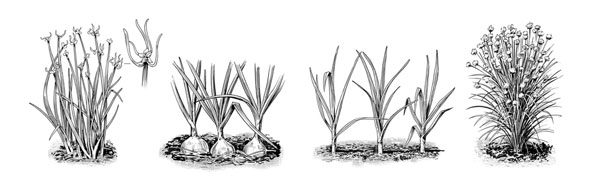
Another kind of succession planting is simply to include many different kinds of related crops that can be used in similar ways. Onions are a good example of this. There’s a wide range of onion types that prefer different growing and storage conditions, but have very similar taste and nutritional benefits. In many regions, given enough space and proper planning, there is no reason you couldn’t grow and eat onions every day of the year.
First in Spring
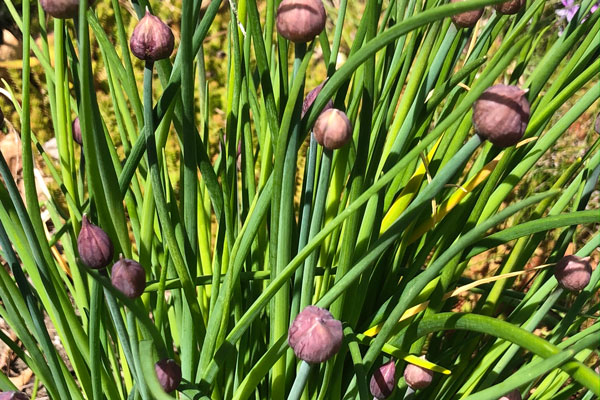
Chives are a hardy perennial green onion, tolerant of a range of conditions. They sprout early in the spring and can be harvested repeatedly throughout the season. Growing more like a grass than a normal vegetable crop, a few bundles of chives planted in the garden can provide almost unlimited green onions for the duration of the season. These could be up and growing before your cache of stored onion bulbs has been depleted.
Through the Summer
Bulbing onions are typically long-season crops that are started indoors in late winter, planted in spring, and harvested in midsummer. Depending on the variety, they will have different storage capacities. Generally, yellow types store longest. If properly cured and stored, it is possible to eat bulbing onions from midsummer through the following spring.
Fall and Winter
Leeks are a very long season crop; they’re also very cold hardy. They’re typically planted for fall harvest and used through the fall and into the winter. In some regions, the hardier varieties of leeks can also be heavily mulched to survive the winter and be harvested in spring.
Continual Harvest
Scallions grow relatively quickly and can be succession planted many times throughout the growing season. Since they take up little space, these green onions can fit into your planting plan in small amounts whenever needed.
Shallots are like miniature bulb onions that can be planted numerous times per year. Shallots can be planted in fall for late winter and spring harvest, or they can be planted in spring for summer and fall harvest.
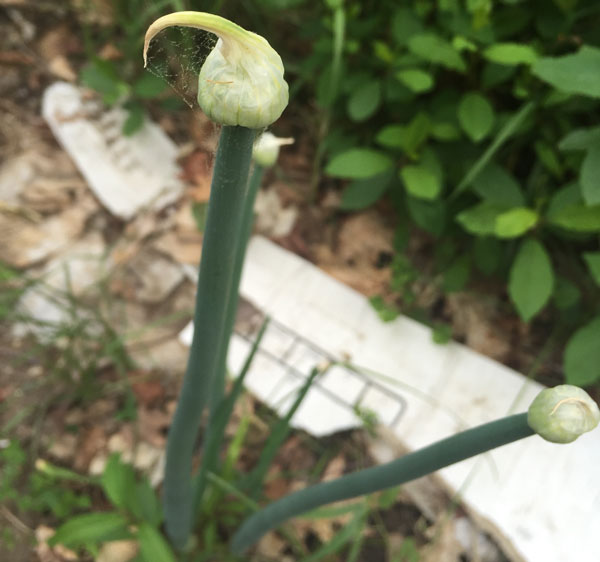
Walking onions are a perennial plant that produces an array of crops — bulbs (similar to shallots), shoots (similar to chives), and a unique “topset” of tiny airborne bulbs. Crops can be harvested spring through fall.
Excerpted from High-Yield Vegetable Gardening © Colin McCrate and Brad Halm.
Learn More
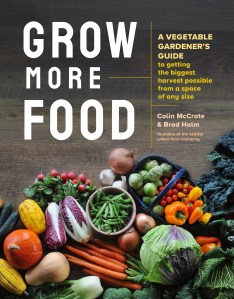
Along with chapters devoted to the Five Tenets of a Productive Gardener (Plan Well to Get the Most from Your Garden; Maximize Production in Each Bed; Get the Most out of Every Plant; Scale up Tools and Systems for Efficiency; and Expand and Extend the Harvest), the book contains interactive tools that home gardeners can use to assist them in determining how, when, and what to plant; evaluating crop health; and planning and storing the harvest. For today’s vegetable gardeners who want to grow as much of their own food as possible, this guide offers expert advice and strategies for cultivating a garden that supplies what they need.

Related Books
-

The Seven-Step Homestead
-
The Year-Round Vegetable Gardener
-
Week-by-Week Vegetable Gardener’s Handbook
-

The Vegetable Gardener’s Bible, 2nd Edition
-

Epic Tomatoes