Books for Your Wishlist
Books for Your Wishlist
Take your pick of the biggest ideas, expert advice, and beautiful images.
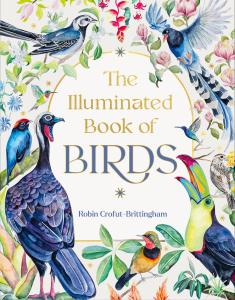
The Illuminated Book of Birds is a stunning, one-of-a-kind celebration of the birds of the world by award-winning painter Robin Crofut-Brittingham. It includes large-scale fine art paintings of the birds in Latin America, Africa, Asia, Oceania, North America, and Europe, along with flightless birds, unusual birds, and extinct birds. It looks at birds together, grouping them by geography and families, and delights in uncovering their habits and cultural and mythological significance.
Every bird is individually featured, with curious and fun facts that will delight new and seasoned birders. In total, readers meet nearly 400 hand painted birds and experience a global birding adventure from the comfort of home.

Winner of the California Independent Booksellers Association 2026 Golden Poppy Award for Nonfiction
From the award-winning author of Creep comes a powerful book by a writer at the peak of her powers—at once a love letter to California and a literary tour de force that tells the story of resilience and reclamation through a relationship with plants, memory, myth, and indigenous knowledge.
Myriam Gurba has lived in California her entire life, with its plants and soils, forests and ecology, immersing herself in the language of the landscape as refracted through the languages and memories of her ancestors. In Poppy State, California plants serve as structural anchors in a wildly inventive work of narrative nonfiction that is part botanical criticism, part personal storytelling, and part study of place. The reader is invited to commune with California with Gurba as their guide, ushered through a compendium of anecdotes, reminiscences, utterances, lists, incantations, newspaper articles, and other ephemera.
Through the stories of these plants she comes to a new understanding of what occurs in the cultivation of a soul. Gurba learns if she can care for her body as she does her plants, her soul can thrive—like the California poppy on her kitchen windowsill. And through walks in the Angeles National Forest, she visits oaks, crows, elderberries, and sycamores, while foraging for acorns, flowers, and berries to adorn her altar at home. Poppy State is a riveting tour de force.
“The mother of intersectional Latinx identity.” —Cosmopolitan
“Scorchingly good.”—Cheryl Strayed
“The most fearless writer in America.” —Luis Alberto Urrea, Pulitzer Prize finalist
“A truly distinctive, authentic, and dynamic literary voice. . . Myriam Gurba is one of our great American intellectuals.” —Los Angeles Times
“A visually rich exploration of how humankind perceives and represents the botanical world.”―Library Journal
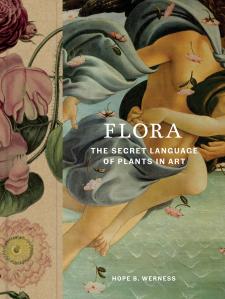
Piet Mondrian’s chrysanthemums, Faith Ringgold’s sunflowers, Georgia O’Keefe’s black iris, Salvador Dalí’s narcissus, Yayoi Kusama’s pumpkin—these are just a few of the many exemplary pairings featured in Flora that offer a unique, artistic interpretation of a plant’s essence. This visually captivating survey from Hope Werness is arranged thematically by the trees, flowers, fruit, vegetables, spices, grasses, grains, and vines that have served as a root for artistic inquiry across time. Flora deepens our understanding of plants through the lens of artistic expression, bringing a new context to an ever-enduring love of nature.
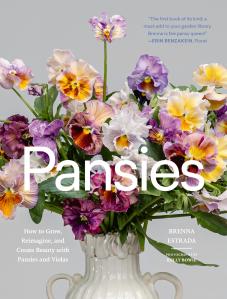
Pansies is the big idea flower book we’ve all been waiting for. While working at the famed Floret Flower Farm, Brenna Estrada was so inspired by the pansies being grown that she began to trial hundreds of varieties of pansies and violas on her own farm. Her innovative approach to growing in full sun results in pansies with long stems, breathtaking fragrance, and unique color.
Filled with stunning photography, Pansies is perfect for growers, florists, artists, and collectors. Readers will discover:
·The fascinating history of pansies and violas, from their origination as a wildflower to a necessary adornment in every household garden
·Everything you need to know about growing pansies (and how to save pansy seeds!)
·How to keep pansies healthy and resilient all year round
·Inspiration for incorporating pansies in crafts, recipes, and in the apothecary
·Inspiring examples of knockout bouquets and arrangements
·Lush profiles on 50 varieties of pansies and violas available today
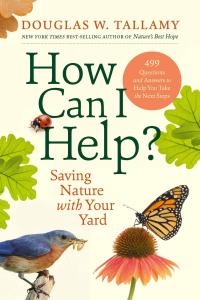
From a New York Times bestselling author, a wildlife ecology expert and environmental advocate provides readers with the next step in their ecological journey.
In How Can I Help?, Tallamy tackles the questions commonly asked at his popular lectures and shares compelling and actionable answers that will help gardeners and homeowners take the next step in their ecological journey. Topics range from ecology, evolution, biodiversity and conservation to restoration, native plants, invasive species, pest control, and supporting wildlife at home. Tallamy keenly understands that most people want to take part in conservation efforts but often feel powerless to do so as individuals. But one person can make a difference, and How Can I Help? details how.
Whether by reducing your lawn, planting a handful of native species, or allowing leaves to sit untouched, you will be inspired and empowered to join millions of other like-minded people to become the future of backyard conservation.
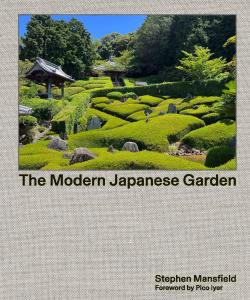
The Modern Japanese Garden is a celebration of the immense diversity of garden designs in Japan, from animist-infused, prototypical stone arrangements placed in sacred groves, to extraordinary post-war innovations. In a beautifully designed package, it is an object to treasure, one that examines post-war shifts in attitudes towards the contemporary garden as they moved from status symbols and expressions of influence to spaces of healing, mediation, and connection to nature. It is intended for both horticultural and general readers with an interest in landscape design and Japan’s contemporary lifestyle, featuring gardens from across Japan that offer insight into some of the most renowned Japanese designers across history.
These gardens are not simply gardens, but points of convergence for several art forms and cultural practices, from the tea ceremony to Zen meditation. With stunning photographs and an artful, minimalist design, The Modern Japanese Garden integrates garden portraits with brief essays from notable specialists in the fields of landscape design, garden aesthetics, and architecture, including Shyunmo Masuno, Japan’s leading garden designer, monk, and author of The Art of Simple Living.
Includes a foreword by internationally bestselling author, Pico Iyer.
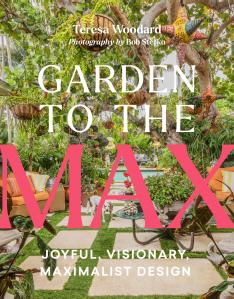
Having a maximalist garden is a bold aesthetic choice—yet it also brings vitality back to the earth, in an abundant expression of more. Garden to the Max celebrates gardens across the US that embrace maximalism through joy and wonder, nonstop blooms, and abundant layers. The book is a feast of gorgeous photography by Bob Stefko, showcasing individual quirkiness, wild collections, and bold, personality-packed plant combinations that amplify the grandeur of each garden’s unique vision, packing in plants for their exuberant style and ecological benefits.
Featured gardeners include an amateur ornithologist seeking to attract more birds, an event planner’s tropical paradise, a pair of city dwellers reducing their carbon footprint, an urban garden pioneer promoting pollinator gardens, and a life-long biophilic propagating endangered plants to nurture insects. Longtime garden writer Teresa Woodard shares stories of each garden and its fearless designers, the inspirations for their plant collections, and their hopes for our earth’s future.
Information-packed sidebars full of standout plants and growing tips will inspire dreamers and gardeners to embrace their own passions. Garden to the Max gives everyone permission to bring the exuberant interior style into the garden and develop a spirited reverence for plants, celebrating joy and personality in the garden—to the max!

“This beautifully photographed, comprehensive resource…offers deep knowledge and encouragement to choose, plant and care for your bulbs.” ―The Independent
An absolute must-read for any gardener who wants to level up their gardening skills, The Essential Guide to Bulbs is a gorgeously photographed, comprehensive, and inviting resource that is destined to become a gardening classic. Bulbs have a universal appeal—they are extremely diverse with many varieties to choose from, and they are great in containers. While many gardeners may be familiar with the early show of spring bulbs like daffodils and tulips, there are many more to choose from that provide three-season color, drama, and spontaneity in the garden. Plus, they’re great for a tighter budget.
Gardeners will discover:
- How to recognize what bulbs you love and personalize your garden to match your vision
- Planting techniques and design ideas for growing bulbs in any size garden
- Incorporating bulbs for pollinators, and the importance of ecological methods
- Tips for creating a brilliant bulb container garden in every season
- A wide array of bulb varieties with in-depth planting information

For fans of accessible and fun popular science comes an exploration of evolution’s quirkiest puzzles and most enduring mysteries.
Why do cats live longer than dogs? Why do bees have yellow stripes? Why can we smell a skunk from a mile away? Such questions can be seen as puzzles about creatures’ evolved traits. Besides triggering our curiosity, they focus our attention on beguiling designs that have been millions of years in the making. Indeed, looking at the living world through a Darwinian lens reveals its colossal depth in a way that’s all too easy to miss in the age of endless distractions. You need only summon up your inner inquisitive 7-year-old to notice such puzzles, and to find yourself looking deeper while considering possible solutions.
In this lively book, science writer David Stipp ponders Darwinian puzzles about nine familiar creatures and things—bumblebees, dogs, sparrows, caffeine, earthworms, and sleep, among others—to show how rewarding it can be to look at nature in a deeper way. By revealing hidden depths of the ordinary, Why Rats Laugh and Jellyfish Sleep shows not only that fascinating intricacies lie just beneath the natural world’s familiar surfaces, but that noticing them lets us make connections we didn’t realize existed.
This is backyard biophilia at its most entertaining and enlightening.

An essential guide to to the multifaceted plant, from a passionate gardener.
Lavender for All Seasons covers everything you need to know about the basics of growing lavender. Inspirational crafts and recipes that follow the seasons of the year will empower readers to discover how to integrate lavender beyond the garden and into the apothecary, pantry, and crafting space. For over twenty years, gardening expert Paola Legarre has been implementing sustainable farming practices, nourishing soil life, avoiding herbicides and synthetic fertilizers, rotating plantings with cover crops, and encouraging pollinators and beneficial insects through diversified plant hedgerows, and companion planting. With Legarre as a guide, readers will discover:
·The basics of growing lavender in different zones and conditions
·Growing requirements for healthy plants, including advice on pruning, pest control, propagation, and more
·An array of the best lavender varieties including species and cultivars for cooking, essential oils, crafting, landscaping and more
·Incorporating lavender as a key pollinator plant in your garden
·How to harvest and preserve lavender flowers for multiple uses, including techniques for drying and distilling
·Enjoying the harvest with delicious recipes incorporating lavender as an essential herb in the kitchen
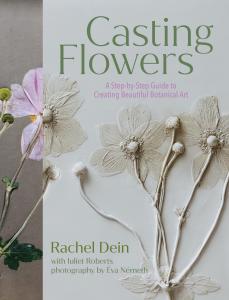
Artist Rachel Dein introduces readers to botanical bas-relief, an innovative and exciting technique developed by the author, one that anyone—gardener, parent, weekend crafter, or artist—can try at home in every season.
Casting Flowers introduces botanical bas-relief as a rewarding method that encourages even the most basic beginners to revel in the ability to record a plant’s texture, pattern, and delicacy in fine detail, creating compositions as small as a single stem or as complex as a field of wildflowers. All it takes is clay, flower, plants, and plaster. Artists can leave a finished piece bare and elegant, or experiment with painting on its surface, bringing the plants to life in color.
From small plaster tiles featuring a single flower portrait to large panels that suggest an entire garden full of blooms, botanical castings reflect every artist’s desire to capture the ephemeral in nature. A meditative activity that encourages artists to explore their gardens and natural spaces for materials, botanical bas-relief teaches readers how to track the progress of the seasons, immortalizing the plants at the moment when they are most alive. With accessible instructions, stunning photography of the process from start to finish, and insights into the artist’s own garden, readers will discover:
·Step-by-step guidance on the tools and equipment needed to set up a simple workspace
·What plants work best in botanical casts, and which to avoid
·How to arrange flowers and stems to make well-balanced artistic compositions
·Tips on creating unique pieces of artwork as mementos of a season or records of special occasions
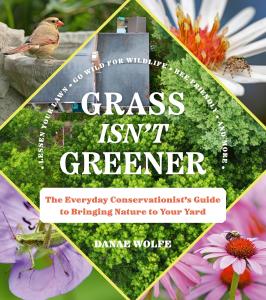
Built around easy-to-digest tips for improving sustainability, this fun, action-oriented guide will help everyone turn their home garden into an earth-friendly habitat.
Rooted in twenty practical steps that anyone can take starting today, Grass Isn’t Greener demonstrates how small changes in your yard or garden can create lasting impact for the planet: from leaving your leaves to selecting eco-friendly holiday decorations; from eliminating light pollution to attracting wildlife; from saving seeds to devoting even a small patch of lawn to native plants. With easy-to-follow advice and real-life examples, conservation educator Danae Wolfe will help you appreciate the new life you’ve attracted to your yard. A companion for new homeowners, renters, and gardeners, Grass Isn’t Greener is a resource for anyone looking for little ways to make a big difference—and to have fun doing it.
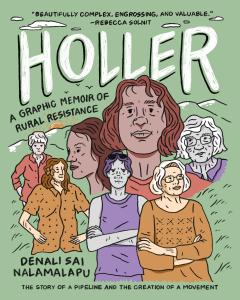
Drawing from original interviews with the author, Holler is an illustrated look at six inspiring changemakers. Denali Nalamalapu, a climate organizer in their own right, introduces readers to the ordinary people who became resisters of the Mountain Valley Pipeline, a project that spans approximately 300 miles from northwestern West Virginia to southern Virginia—a teacher, a single mother, a nurse, an organizer, a photographer, and a seed keeper.
In West Virginia, Becky Crabtree, grandmother of five, chains herself to her 1970s Ford Pinto to stop construction from destroying her farm. Farther south, in Virginia, young organizer Michael James-Deramo organizes mutual aid to support community members showing up to protest the pipeline expansion. These (and more) are the stories of everyday resistance that show what difference we can make when we stand up for what we love, and stand together in community. When the world tells these resisters to sit down and back off, they refuse to give up.
More than anything, Holler is an invitation to readers everywhere searching for their own path to activism: sending the message that no matter how small your action is, it’s impactful. The story of the Mountain Valley Pipeline is one we can all relate to, as each and every one of our communities faces the increasing threats of the climate crisis, and the corporations that benefit from the destruction of our natural resources. Holler is a moving and deeply accessible—and beautifully visual—story about change, hope, and humanity.
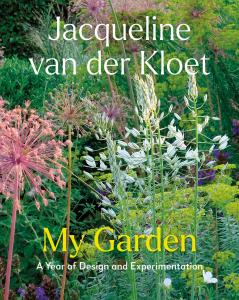
A month-by-month tour of the renowned naturalistic garden designer Jacqueline van der Kloet’s home garden—a visual feast of perennials, trees, grasses, shrubs, and bulbs that have inspired a generation of gardeners and designers.
From a pioneer of the New Perennial movement, My Garden showcases the practice and process behind Jaqueline van der Kloet’s leading-edge, naturalistic planting experimentations, rooted in her site of experimentation for the past forty years: her home garden. Jacqueline has established a design process emphasizing naturalized bulbs and other plants that intermingle in every month of the year, supporting biodiversity and embracing the natural tendencies of plants.
With an elegance admired the world over, each corner of van der Kloet’s garden reflects an important aspect of her creative process, sharing down-to-earth wisdom from her own little piece of paradise. Enter into this stunning, innovative garden and discover:
·Visionary techniques and methods for tending and cultivating a natural garden, training one’s focus to shift along with the seasons
·Lists of Jaqueline’s favorite plants by color, with insight on inspiring and unexpected combinations
·Snapshots of specific spots in her garden, documenting the subtle shifts in each plant as it traverses the seasons’ rhythms
·A glimpse into the conceptual frameworks for many of her international projects
·Inspiration for your home garden, with ideas for maintaining interest throughout every season, even in the cold and snow
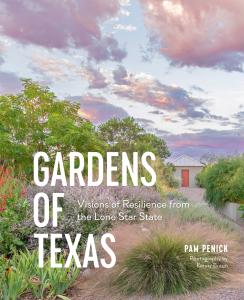
Gardens of Texas is a photo-rich exploration of gardens across this vast state, including conversations with the intrepid garden-makers who nurture them. Readers will learn how Texans are adapting to climate extremes through hardy plant choices, rainwater harvesting, native lawns, and other responsive design strategies. Popular gardening blogger and author Pam Penick takes readers on a tour of 27 vibrant Texas gardens and shares the owners’ innovative thinking and true-grit determination. With over 600 enchanting photographs plus plant recommendations and practical takeaways from every garden, Gardens of Texas offers gardeners empowerment and inspiration.
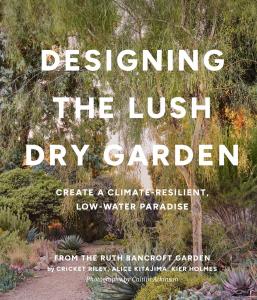
“Drawing on the wisdom of the late Ruth Bancroft, this book shows how to adapt her renowned dry garden principles to modern landscapes. It demonstrates how these ideas can transform real-life spaces into thriving, beautiful sanctuaries.” ―The American Garden
The Ruth Bancroft Garden, known as one of the finest dry gardens in the world, is a pioneering example of resilient design with a focus on water conservation. Ruth Bancroft (1908-2017) was a self-taught gardener and designer whose eclectic methods encourage richly textured, bold, and colorful layers of regionally climate-appropriate flowers, shrubs, trees, and succulents. These include her favorite aloes, agaves, yuccas, and echeverias that she collected and experimented with for over 60 years, and which the garden has continued to steward.
Designing the Lush Dry Garden is the first guide to lay out Ruth Bancroft’s methods for the home gardener and designer. With gorgeous photographs by Caitlin Atkinson, and detailed portraits of 20 gardens inspired by the Garden, discover how to create a design that suits your vision, including:
- How to choose the right plants for your site, including Ruth’s favorites
- The appropriate methods for adapting your garden to climate change
- Advice on integrating paths and structures in a waterwise design
- Tips for low-water container gardens and designs
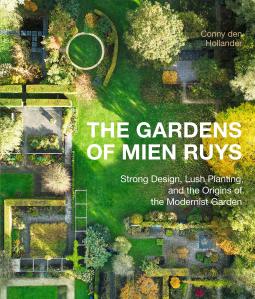
Widely considered the Mother of the Modernist garden, Mien Ruys (1904-1999) is one of the most influential gardeners and landscape architects of the 20th Century. The Gardens of Mien Ruys is the first authorized book in English to discuss her life, influence, process, and designs, written by the head of the Mien Ruys Gardens who continues to steward Ruys’s horticultural legacy.
Part illustrated biography and part garden case study, this book is an important link to history that can help us put into context a future of gardening in line with nature, as informed by a strong, feminist leader. Ruys worked hard to break down the elitism of gardening, and was a woman far ahead of her time.
She is known best for her use of small spaces, designing gardens without large lawns, and using materials like concrete, railroad ties, and exposed gravel long before they were in style. She was influential in bringing a modernist garden design into cities and public places where they could be enjoyed by all, rather than just behind the walls of the private estate.
Ruys had an extensive knowledge of plants, especially perennials, and included in the book are some of her iconic planting plans.
Also featured in the book are tips on how to design a small garden in the Ruys style, and a list of Mien’s 100 favorite plants.