
Q & A with Grace Lin and Kate Messner on Once Upon a Book
Q & A with Grace Lin and Kate Messner
on Once Upon a Book
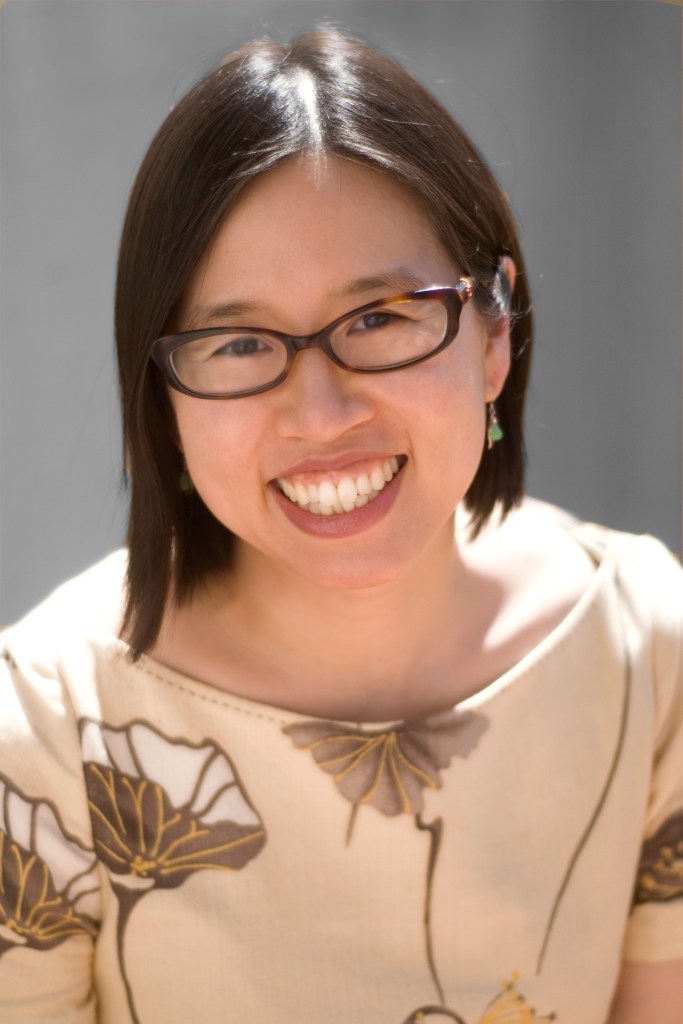
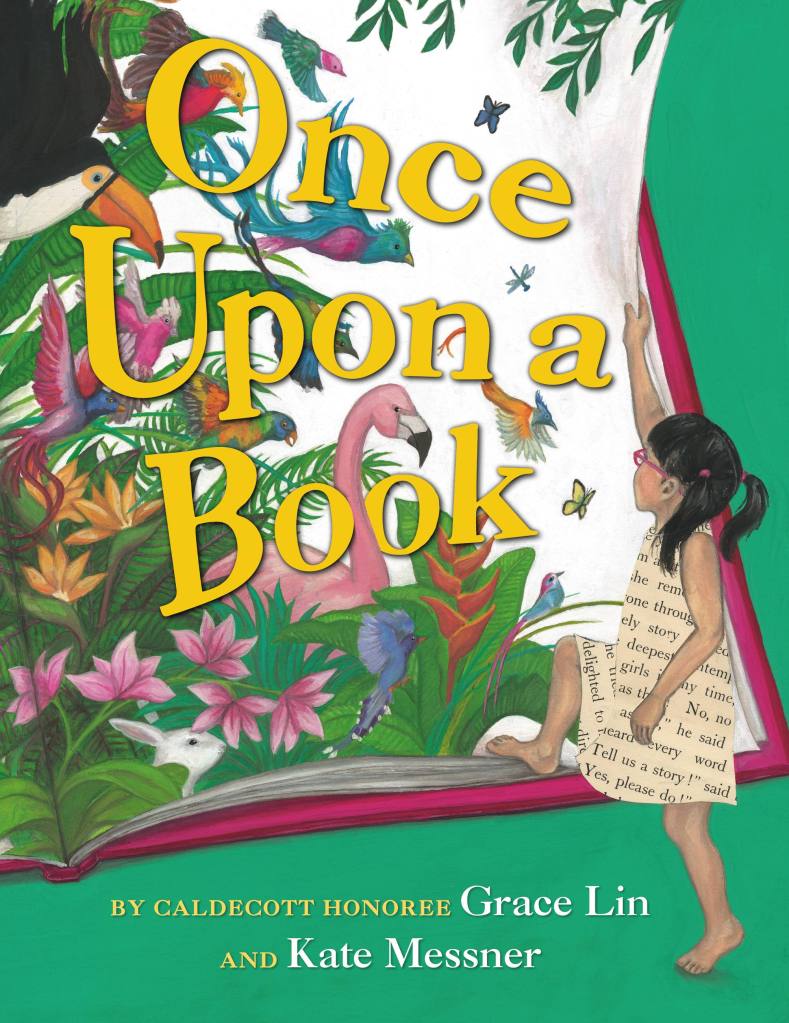

We had the pleasure of talking to two master authors in the children’s literature space, Grace Lin and Kate Messner, about their upcoming picture book, Once Upon a Book! We chat about what makes a great children’s book and their hopes for Once Upon a Book, along with the collaboration process.
Each of you have deep experience in children’s books from a variety of places within the ecosphere and you’ve known each other some time. What are the key elements that make a great children’s book and what kinds of conversations have you been have been having with others about kidlit over the years?
Grace: Yikes, that’s a tough question. I would venture to say that what makes a great children’s book is different for every reader. In art school we were taught that Maurice Sendak was the pinnacle of children’s literature, but when I had my own child, she threw “Where the Wild Things” under the bed and wouldn’t let me read it. Then there were books that she absolutely loved with her whole heart and soul that were the epitome of what many people in the industry would label as “didactic,” “predictable” and perhaps even “without artistic merit.” While I enjoy studying and considering children’s literature, as well as having particular ideas on what makes a great book personally; to dictate to her or any child what book they should enjoy is anathema to why I make books. To me, the key element for a great children’s book is that a child loves it.
Kate: I couldn’t agree with this more. Like Grace, I had all of my favorite books waiting to read to my firstborn child. They were classics. The sparkling gems of children’s literature. And while I did get to read some of them, what he really fell in love with were the Tonka Working-Hard-with- the-Mighty (Insert Construction Vehicle Here) books at our local grocery store. We read them aloud for years before he found other books he loved, too, and it reminded me that there are so many different kinds of just-right books for different readers at different times in their lives.
My own favorites growing up were Archie comics before I discovered Beverly Cleary, Judy Blume, and the nonfiction section at my local library, and when I was teaching, I always shared that with parents who worried about what their kids were reading. Once, the father of a student approached me at the grocery store, wringing his hands, to let me know he was worried about his son. “He keeps reading these…graphic novels!” he whispered, as if he were discussing a kid with a drug habit. “What should I do?” I told him to help him find more of the books he loved.
“To me, the key element for a great children’s book is that a child loves it.”
— Grace Lin, Caldecott Honoree
How did these conversations lead the two of you to this project? Could you share with us a bit about the creative process—what you thought was most important to convey, how you negotiated any differences in viewpoint you discovered, surprises along the way?
Grace: I’m not sure if Kate and I had any actual conversations about “great books” that lead us to this project. But I think Kate knows how much I respect and admire how on point her books are for kids and I was so grateful to have her willing to collaborate with me–she answered my public plea in one of our facebook groups for someone to help write a story for an image I created! I knew with her onboard the story would stay relevant for our readers.
I think perhaps the hardest part is how we kept having to cut more and more of the manuscript. Kate would write an absolutely gorgeous and poetic description which I would love. But as soon as the pictures started to develop, I started slashing them. I felt super guilty!
Kate: But that’s the magical thing about picture books, isn’t it? When they work well, they’re a dance between author and illustrator, and they really shine when the art is able to take the lead. If that means cutting a lovely bit of poetic language, that’s okay as long as it means the reader is more likely to get lost in the story. (And I take comfort in the fact that I can always use those beloved lines from the cutting room floor when I’m teaching workshops about the revision process!!)
“That’s the magical thing about picture books, isn’t it? When they work well, they’re a dance between author and illustrator, and they really shine when the art is able to take the lead.”
— Kate Messner, New York Times bestselling author
What have you learned from readers over the years and what do you hope to learn from the readers of ONCE UPON A BOOK? Where would you like to see this book in 5 – 10 years?
Grace: I think I’ve always believed that books were kind of my friends. As I’ve met more and more readers, I’ve learned that I’m far from the only one who believes that. I hope “Once Upon a Book” reminds readers that nothing is as terrible if you have a friend by your side–and that friend could be a book, perhaps even this one!
Kate: I couldn’t agree with this more. You know, you asked earlier about what makes a book “great,” but for me, what really defines a classic is the way kids love it. The way they read it over and over and carry it around and take it to bed at night. The way they get peanut butter on the pages because they’re always reading it at breakfast. The way they know when you skip even a single word when it’s being read aloud. Those love-worn books are the classics in our house, and that’s my hope for Once Upon a Book – that families will want to snuggle up and read it together over and over again.
A Kirkus Best Picture Book of 2023!
A Smithsonian Magazine Best Kids Books of 2023!
From Caldecott and Newbery Honoree Grace Lin and bestselling author Kate Messner comes a modern folktale about the joy of reading.
Once upon a time, there was a girl. She went to a place alive with colors, where even the morning dew was warm.
Alice loves to imagine herself in the magical pages of her favorite book. So when it flaps its pages and invites her in, she is swept away to a world of wonder and adventure, riding camels in the desert, swimming under the sea with colorful fish, floating in outer space, and more! But when her imaginative journey comes to an end, she yearns for the place she loves best of all.
Paired with vibrant illustrations, this lyrical, expressive story invites the reader to savor each page and indulge in the power of imagination.