New Releases Fall 2026
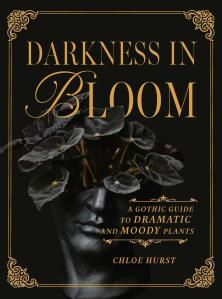
High priestess of The Goth Garden, Chloe Hurst summons spirits, death, Victorians, velvet, vampires, and all things witchy and dark to bring you this beautiful, inspiring, and spooky guide to gardening on dark mode.
Get inspired to create a garden filled with moody, eerie undertones and the occasional deadly poison, add otherworldly companions to your houseplant jungle, and cultivate a home filled with macabre mystery.
Darkness in Bloom shares plant profiles, design tips, and inspiration. You’ll learn the lore of gothic culture and how to integrate undying dark plants (perennials), dark specimen repurchases (annuals), indoor companions (houseplants), and haunting decorations.
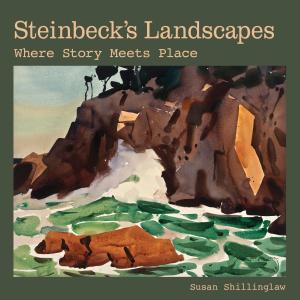
Among the many reasons that John Steinbeck has reached the highest tier of the American literary canon is what we have come to understand as his prescient progressivism: human dignity in the face of industrialization, a celebration of the migrant laborer, and support of the poor and working class versus the owning classes.
His vision as a writer was also fundamentally ecological, looking at man and nature holistically. To understand people, Steinbeck insisted, you must appreciate the environments they inhabit: the local trees and flowers, soil and rocks, invertebrates and frogs. Always in Steinbeck’s books natural and cultural histories overlap with an animating spirit of place.
Steinbeck’s Landscapes is the first major work to focus on Steinbeck as a predominantly environmental writer. It highlights the places that the Nobel Prize–winning author cherished and explored throughout his life and examines the iconic stories they inspired. We learn how the Salinas Valley of his youth shaped East of Eden; how, in Cannery Row, the improbable diversity of human life washed together in a tight community not unlike a Monterey tidepool; and how, in The Grapes of Wrath, various human connections to land and soil inform every page of Steinbeck’s monumental novel.
The result is a new and fuller understanding of Steinbeck and his work, arguing that the resonant power of his prose owes much to this writer’s keen and abiding sense of place.
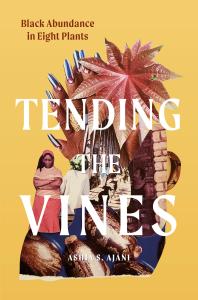
This standout creative nonfiction debut explores the lives and histories of plants considered nonnative or invasive as metaphors for the Black experience in America.
In Tending the Vines, Ashia S. Ajani illuminates how eight unique plants tell the story of the Black diaspora in America. Each chapter is a deep dive into one plant—including eucalyptus, passionflower, wild mustard, and kudzu—exploring their significance in African tradition, their role through the Middle Passage and Chattel Slavery, and their enduring importance in modern households and communities.
Tending the Vines unpacks the complex rhetorical lives of these plants, most of which have been used as both ugly metaphors for Black incursion as well as powerful symbols for Black liberation. It also highlights the ethnobotanical uses that have sustained displaced populations for centuries. Throughout, Ajani complicates our notions of “invasive” and belonging, by contextualizing how plants move, are moved, and, of course, move us.
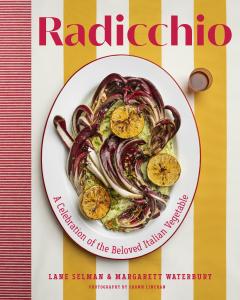
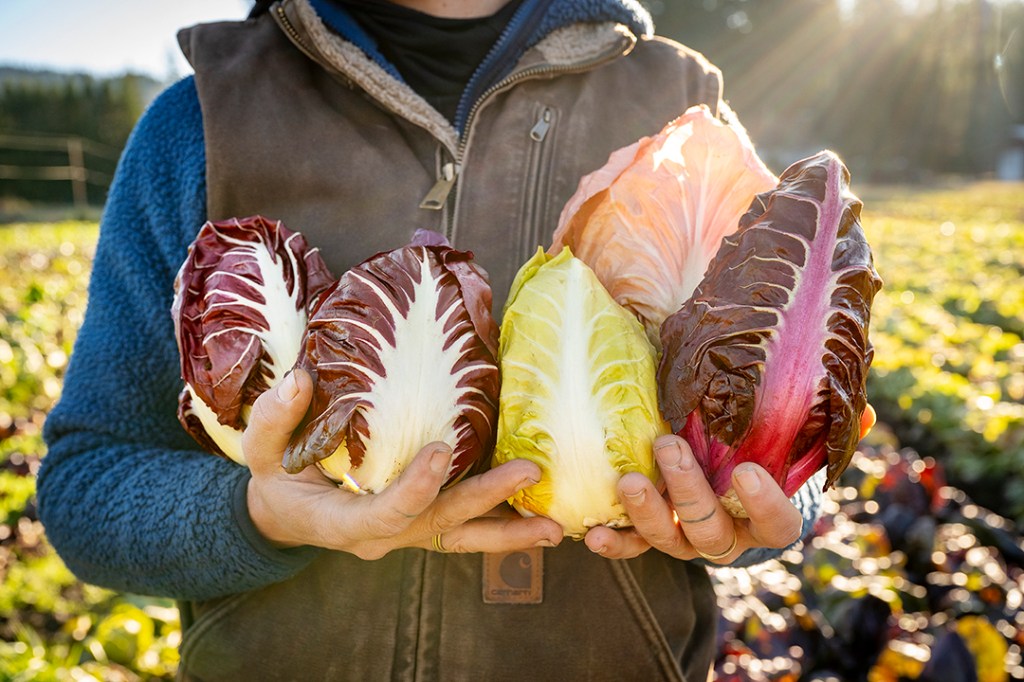
Simple, delicious recipes for using radicchio in pasta, rice, polenta, pizza, protein, salads, and sweets!
Welcome to the radicchio renaissance! Learn how to integrate this iconic Italian vegetable into every meal—from the chefs, grandmothers, and farmers who have long been captivated by its possibilities. Radicchio by Lane Selman and Margarett Waterbury is a joyful celebration of a remarkably versatile ingredient and its importance within culinary culture. Filled with gorgeous photographs, information on the many different types available, and 45 recipes, this must-have cookbook is sure to be considered the ultimate resource on the subject.
“Radicchio helps cooks understand and truly appreciate these remarkable bitter greens.”—Joshua McFadden, author of Six Seasons of Pasta
“With this book, bittersweet, ruby-leaved radicchio now has the spotlight it deserves! Radicchio is equal parts educational and inspirational—essential reading for gardeners, cooks, and everyone who loves Italian cuisine.” ―Vicky Bennison, author of Pasta Grannies
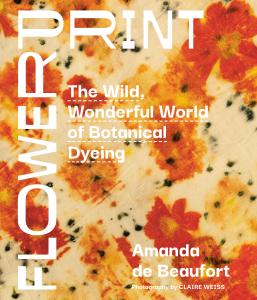
Explore offbeat creativity and forge a deeper connection with flowers with this inspiring, contemporary guide to botanical dyeing.
Flowerprint is a contemporary, stylish guide for anyone who loves flowers, textiles, and crafting. With an infectious passion for the way plants and flowers can be a palette for expressing ingenuity and individuality, Amanda de Beaufort brings a fresh approach to the centuries-old practice of flower printing. Her intuitive and organic process harnesses the unpredictable magic of nature to create rich botanical color and one-of-a-kind designs on fabric. With step-by-step instruction and lush photography, she shares her secrets for creating color and pattern, and imprinting it into rich textures in a way that echoes nature itself.
Emphasizing sustainability and resourcefulness, Amanda breaks down every aspect of the process: collecting essential materials and tools; cultivating a dye garden anywhere; foraging and harvesting dye flowers; demystifying the science of preparing fibers for lasting prints; and mastering a variety of bundle-dyeing and color extraction techniques.
Step into Amanda’s vibrant world, with peeks at her home and studio; her essential playlists, recipes, and party ideas; and how she incorporates botanically dyed items into her eclectic living spaces.
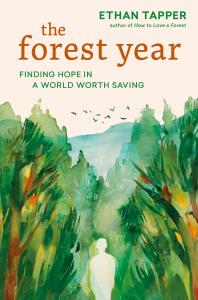
A forest almanac for our time, rooted in a full year observing a rural woodland and its birds.
Tapper’s groundbreaking first book How to Love a Forest offered a pragmatic and hopeful vision for our relationship with forests and other ecosystems. His new book, The Forest Year, lives inside the practice of staying, caretaking, and paying attention. Following the author’s forest through a year of life, the book explores flowers, birds, forest ecology, biodiversity, while also reflecting on stewardship, community, and what it means to be rooted in place.
The Forest Year is a meditative and lyrical ode to the land, weaving complex scientific and ecological concepts with beautiful narrative prose, making nuanced ideas easy to understand and deeply resonant. Both place-based and practice-driven, Tapper writes not as an armchair philosopher or an academic, but as a working forester and ecologist stewarding real forests in real time, blending emotional insight with ecological rigor.
A moving account of what it means to persist in the face of change and to love a place through work, compromise, sacrifice, and humility, this book will inspire readers to think deeply about where they live and who they are.
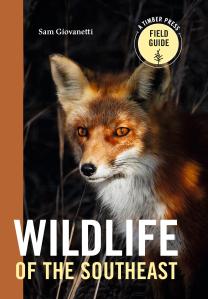
From one of the region’s track and sign experts comes a guide to finding and identifying wildlife in the swamps, forests, rivers, meadows, and mountains of the southeastern United States
It’s possible to safely see fascinating wildlife—if you know what to look for and where. Wildlife of the Southeast makes it easier than ever to understand the fascinating creatures you’ll encounter, with illustrated descriptions for more than 125 mammals, birds, reptiles, amphibians, and invertebrates.
Covering the diverse habitats from Maryland, south to Florida, west to Louisiana, north to Kentucky and West Virginia, and every state in between, this book is a must-have for nature lovers of all ages and skill levels.
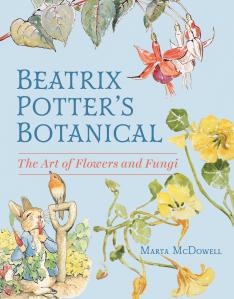
A rare collection of Beatrix Potter’s own botanical art, and an exploration of the role these plants played in her personal and literary life.
Beatrix Potter’s Botanical collects and showcases 65 plants and fungi that Beatrix Potter made special study of in her often-overlooked career as a botanical artist. For each species we see Potter’s original pencil and watercolor renderings, learn about the specimen’s role in her various beloved gardens, and hear the stories of how it inspired or appeared in her literary work. The result is a new look at the celebrated illustrator as a pioneering botanical artist and budding scientist. Beatrix Potter is a beloved author and illustrator and this gorgeous exploration of her work will appeal to a wide array of fans.
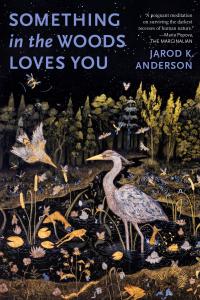
An inspiring memoir that explores nature’s crucial role in our emotional and mental health, and a “poignant meditation on surviving the darkest recesses of human nature” (The Marginalian).
Bats can hear shapes, plants can eat light, and bees can dance maps. When his life took him to a painfully dark place, the poet behind The CryptoNaturalist, Jarod K. Anderson, found comfort and redemption in these facts and the shift in perspective that comes from paying a new kind of attention to nature.
Something in the Woods Loves You tells the story of the darkest stretch of a young person’s life, and how deliberate and meditative encounters with plants and animals helped him see the light at every turn. Ranging from optimistic contemplations of mortality to appreciations of a single mushroom, Anderson has written a lyrical love letter to the natural world and given us the tools to see it all anew.
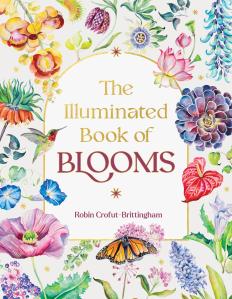
This classically styled illuminated manuscript combines fine art with fun facts about flowers from around the globe.
The Illuminated Book of Blooms is a stunning, one-of-a-kind celebration of the world’s flowers. Written and illustrated by award-winning painter Robin Crofut-Brittingham, it features her lush, large-scale paintings of iconic blooms from Latin America, Africa, Asia, Oceania, North America, and Europe. She presents flowers together—grouping them by geography and family, and in special categories like medicinal, poisonous, and nocturnal—and delights in exploring their cultural and mythological significance.
Each plant also receives an individual spotlight, with curious facts that will surprise new and seasoned flower lovers alike. In these lush pages, you’ll discover elegantly painted blooms from across the globe in a unique botanical adventure.
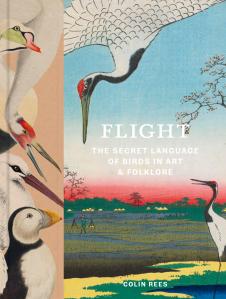
An exquisitely illustrated guide to the symbolism of birds in art, myth, and folklore around the world and throughout the ages.
From the goldfinch in Raphael’s Madonna del Cardellino to the sacred ibis on an ancient Egyptian wall painting and the quetzal feathers of an Aztec headdress, birds have always held a special place in human culture and belief systems. But where did such symbolism come from? Why do we view some birds as special while others are comical? Flight examines 42 birds and the diverse roles they have played across civilizations.
Each individual profile offers a fresh perspective on our feathered friends, drawing from history, music, art, and folklore, delving into the myriad ways people have worshipped, feared, hunted, and consumed birds, utilized them as medicine, or relied on them to predict the weather.
Organized by habitat, with rich artwork with a range of contextual material, Colin Rees reveals how certain species have been perceived and why they continue to captivate our imaginations.
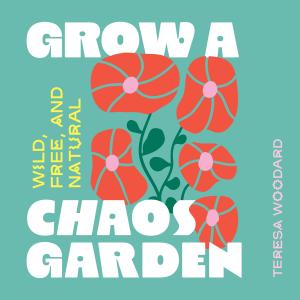
An accessible introduction to the rule-breaking, low-work, no-stress, natural gardening method where chaos is queen.
Chaos gardening is a carefree, no-stress method to growing food and flowers that throws tradition out the window. A user-friendly, environmentally conscious approach, this method of gardening results in a style that echoes a wild landscape and is perfect for the rule breaker, rebel, or intuitive thinker who wants to do things their own way. Grow a Chaos Garden is an accessible introduction to the subject, inspiring beginners to let go completely of ideas of the garden, reject tradition, celebrate wildness, allow nature to do the work.
Longtime gardener Teresa Woodard lays out the fundamentals of an extremely simple process, inspiring all levels of gardeners to embrace chaos and learn to love gardening in a whole new way. It is only by removing ideas of perfectionism and our expectations of what a garden shouldbe when we can embrace the chaos of what could be.
All we have to do is prepare the ground, choose the right seeds (self-seeding plants are our friends!), mix them all together, scatter them on the soil, water, and wait. Who cares if the carrots pop up among the roses? They’ll still be carrots.