By clicking “Accept,” you agree to the use of cookies and similar technologies on your device as set forth in our Cookie Policy and our Privacy Policy. Please note that certain cookies are essential for this website to function properly and do not require user consent to be deployed.
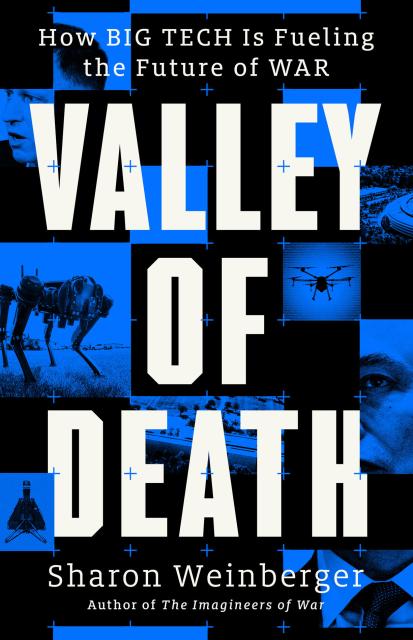
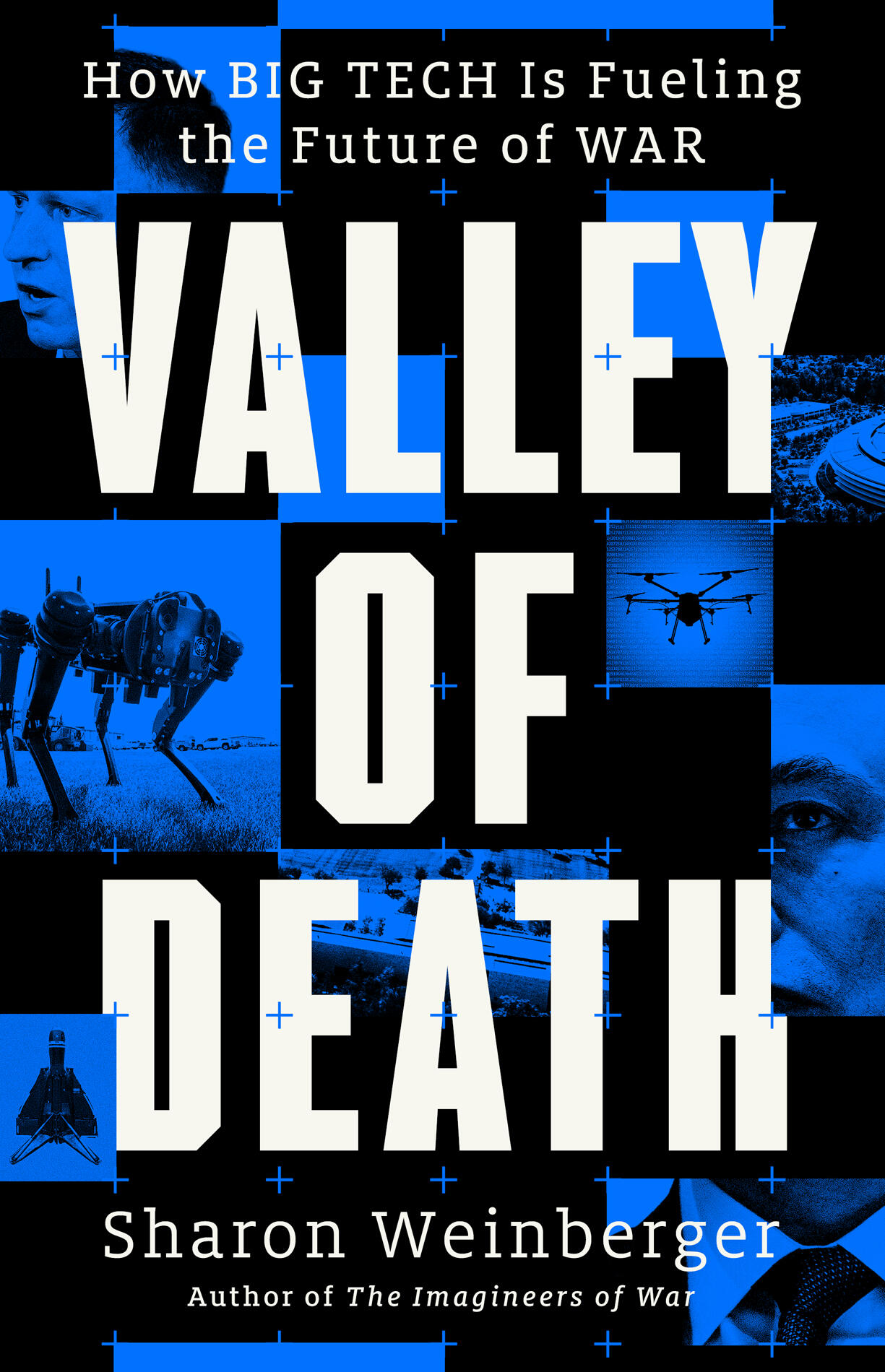
Valley of Death
How Big Tech Is Fueling the Future of War
Contributors
Formats and Prices
- On Sale
- Sep 22, 2026
- Page Count
- 352 pages
- Publisher
- Little, Brown and Company
- ISBN-13
- 9780316595933
Price
$32.00Price
$42.00 CADFormat
Format:
- Hardcover $32.00 $42.00 CAD
- ebook $15.99 $20.99 CAD
- Audiobook Download (Unabridged) $27.99
Preorder from Retailers:
Elon Musk, Peter Thiel, and Alexander Karp. These tech titans are fast becoming some of the most powerful figures in the realm of national security, with enormous implications for us all. As Sharon Weinberger reveals in this gripping account, the American military and spy agencies helped to create Silicon Valley as we now know it, and some of its biggest and most valuable companies today owe much of their success to the Pentagon and CIA. Beginning with the War on Terror and accelerating under Donald Trump, however, the old alliance between elected leaders in Washington and the unelected CEOs of Silicon Valley has grown increasingly uneasy as power has shifted to the private sector and Big Tech exerts greater and greater influence over its old patrons. Companies such as SpaceX and Palantir, along with newer entrants to the field such as Anduril, are proudly supporting—and quietly shaping—US national defense, whether by providing spies and soldiers with AI and cloud-computing tools or actual military hardware such as microwave weapons, hypersonic missiles, and advanced drones.
The implications of this historic shift are poorly understood and fraught with peril. What happens when mercurial billionaires like Elon Musk control weapons and technologies that were once the preserve of the US government? How will this new military-industrial complex affect the way wars are fought, or even which wars are fought? That is the urgent question before us today, at the dawn of this new era—and as Weinberger reveals, it is one on which our collective future might well hinge.