Plant Grow Harvest Repeat: The Art of Succession Gardening
Master the Art of Succession Planting with Plant Grow Harvest Repeat
Succession planting, in other words, carefully planned, continuous seed sowing, helps gardeners get more out of their growing space. Plant Grow Harvest Repeat: Grow a Bounty of Vegetables, Fruits & Flowers by Mastering the Art of Succession Planting, by Meg McAndrews Cowden, draws inspiration from succession in natural landscapes and teaches how to implement lessons from these dynamic systems in a home garden to produce a steady stream of food.
Jump into succession planting basics with some wisdom from Cowden:

So, what is succession planting?
Succession planting is the practice of planting crops in an intentionally staggered or timed sequence to maximize harvest.
“In the simplest terms, succession means one follows another. In ecology, succession describes how plant communities develop over time, with different groups of plants succeeding one another. Plant succession encompasses a procession of life, starting with pioneering grass species that fill in bare earth, and eventually give way to trees that, after millennia become a beloved forest… a succession garden incorporates lessons from plant communities into its very fabric. It dynamically emulates natural transitions across time. This garden nourishes you, the gardener, for as long as is feasible” (McAndrews 12-13).
What are the benefits of succession gardening?
Succession gardening lengthens the harvest season.
“Succession gardening will increase your garden’s productivity by maximizing the days of your growing season, even if those days are limited, and maximizing your space, even if your garden is small. It is a mindset meant to engage your imagination and your unique goals for your family’s table and fuel your stamina for sowing throughout the growing season” (McAndrews 13).
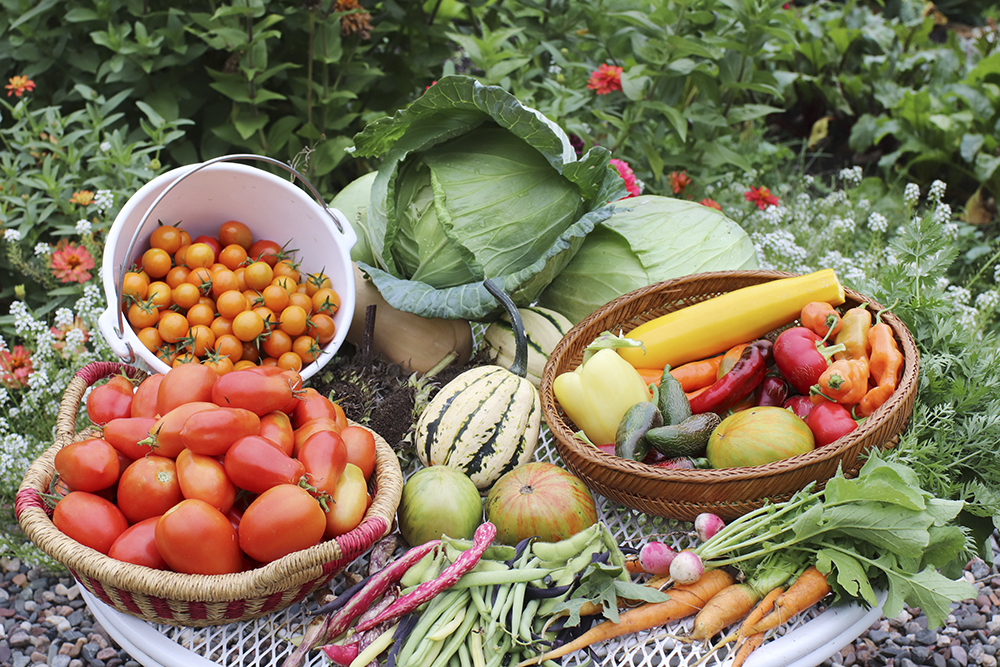
When is growing season? When is harvest season?
With succession gardening and continuous planting, growing season can be year-round and the summer-fall harvest season is stretched on both ends!
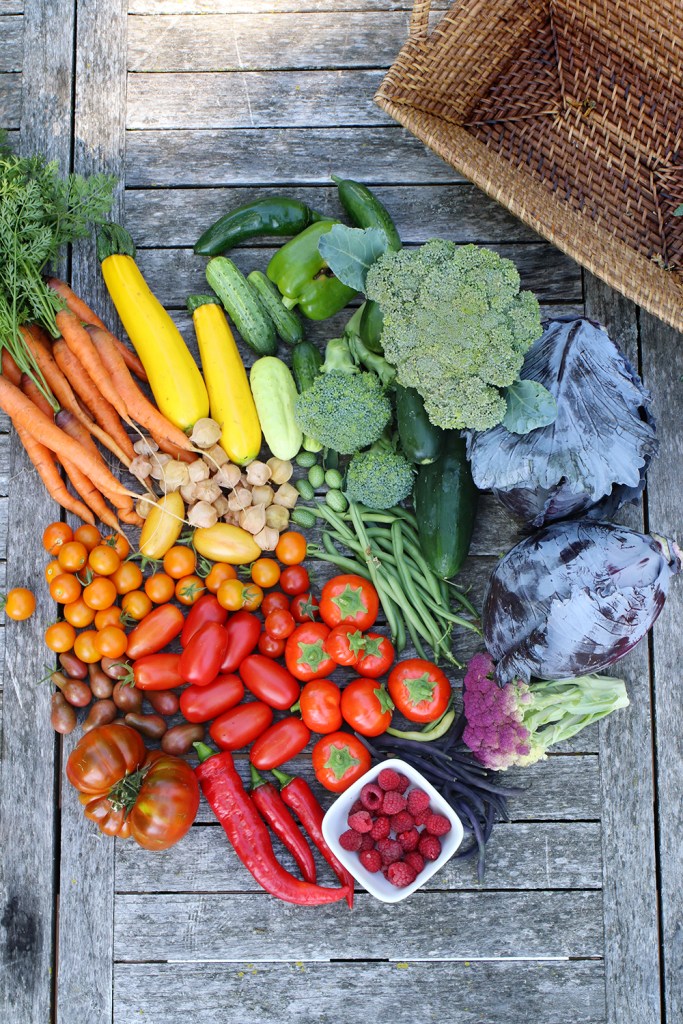
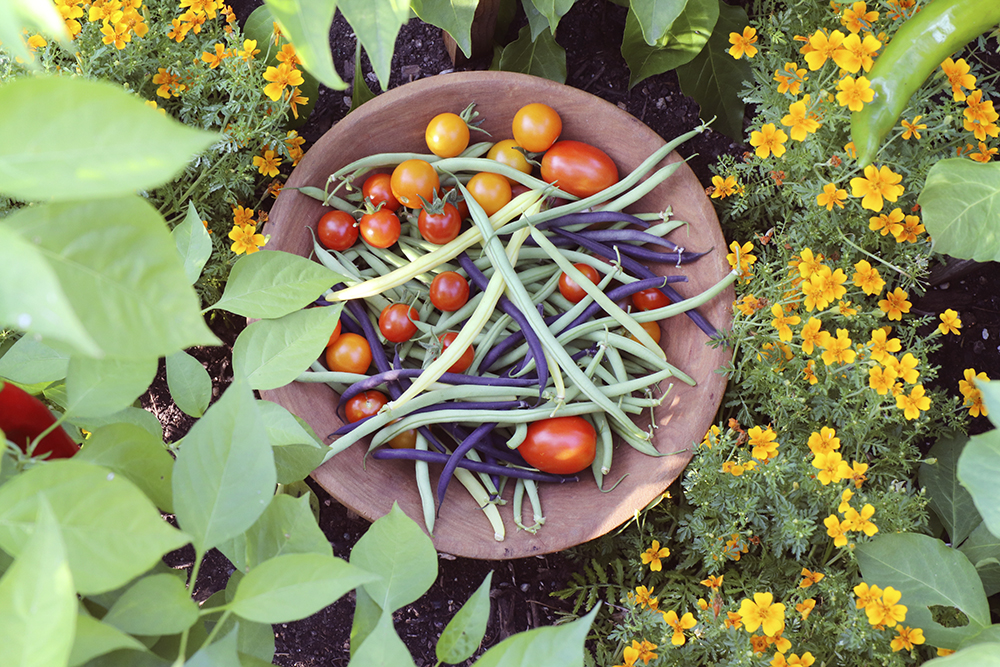
“A tool for all climates, continuous planting turns a typical “main season” garden into a spring, summer, fall, and winter garden. It transforms the garden into the produce aisle, providing food in every season. Executed well, continuous planting produces a diverse array of food throughout the growing season. The garden becomes a place where spring cabbages are met with early summer cherry tomatoes, and then late-ripening peppers collides with fall apples and frost-kissed Brussel sprouts….
While seed starting (direct sowing) in the early season is easier—cooler temperatures, fewer distractions, more consistent moisture—plants establish much faster in the warmer months. So, while it feels more arduous to sow beets in the heat of early July, they take off more quickly than those transplanted under row cover in late March. Tune in to the intricacies of your growing season and the cravings of your palate to work through these details” (McAndrews 28-29).
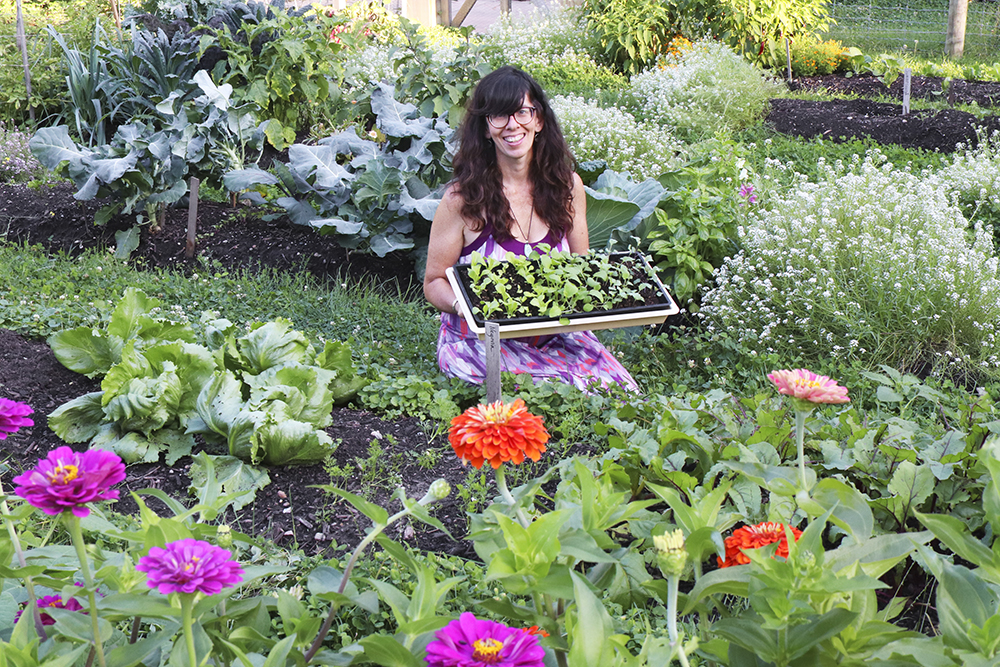
What is interplanting?
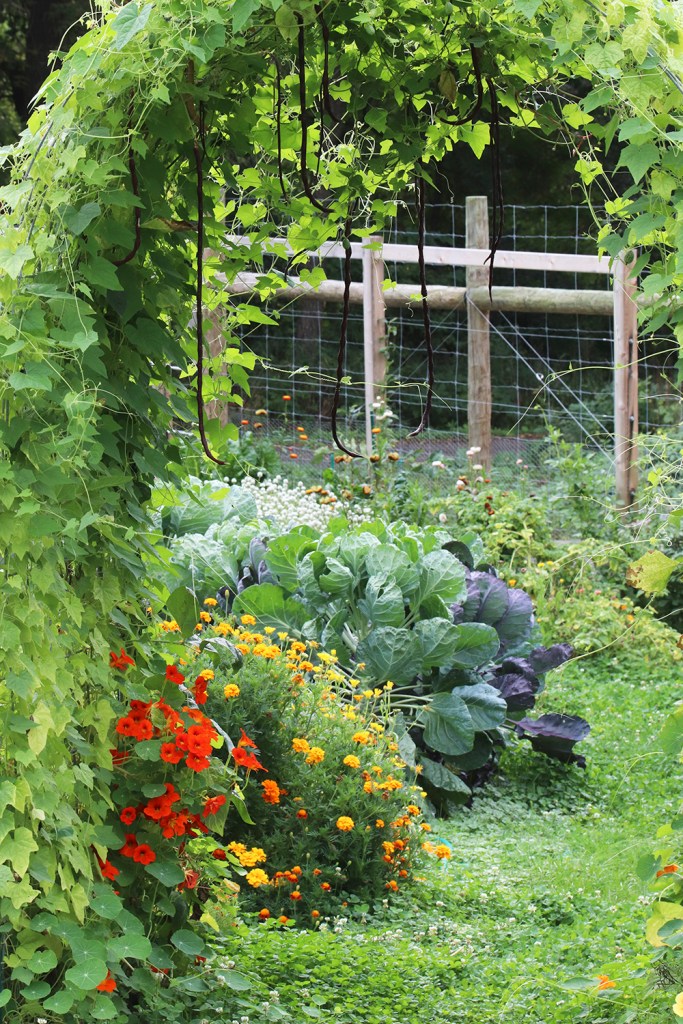
“The pinnacle of succession planting is interplanting. This means growing more than one type of vegetable or flower simultaneously in the same proximity. Also called intercropping, and sometimes referred to as companion planting. This mingling of more than one type of plant in a space creates a living mosaic—literally a garden salad.
Interplanted lettuce, sweet alyssum, and red cabbage will steadily feed us and the insects from early spring through the height of summer” (McAndrews 41).
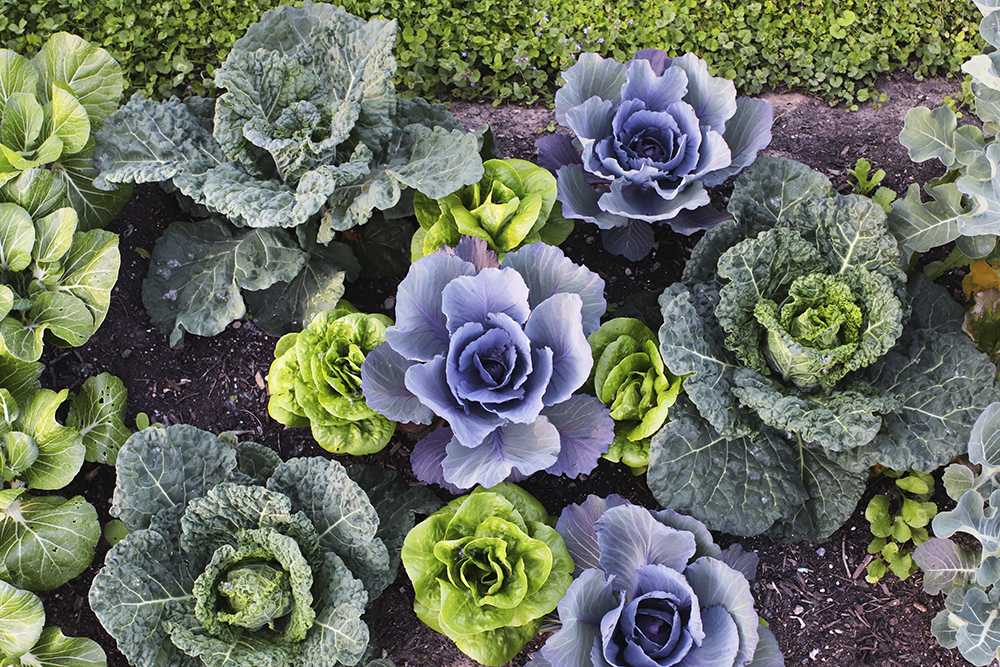
Find more on succession gardening best practices and detailed, seasonal sowing charts, plant profiles, and gardening tips in Plant Grow Harvest Repeat.
Discover how to get more out of your growing space with succession planting—carefully planned, continuous seed sowing—and provide a steady stream of fresh food from early spring through late fall.
Drawing inspiration from succession in natural landscapes, Meg McAndrews Cowden teaches you how to implement lessons from these dynamic systems in your home garden. You’ll learn how to layer succession across your perennial and annual crops; maximize the early growing season; determine the sequence to plant and replant in summer; and incorporate annual and perennial flowers to benefit wildlife and ensure efficient pollination. You’ll also find detailed, seasonal sowing charts to inform your garden planning, so you can grow more anywhere, regardless of your climate.
Plant Grow Harvest Repeat will inspire you to create an even more productive, beautiful, and enjoyable garden across the seasons—every vegetable gardener’s dream.