
Algonquin Insiders Club with Wendy Chen
Wendy Chen’s Catalogue of Research for her debut novel, THEIR DIVINE FIRES
Dear Insiders Club Readers,
I’m so thrilled to be sharing my debut historical novel, Their Divine Fires, with you. The novel, which will come out with Algonquin on May 7, follows four generations of Chinese and Chinese American women in one family, beginning in the early 1900s revolutionary China and ending in modern-day America.
Part of the novel is inspired by my mother’s experiences growing up during the Cultural Revolution, a period of political and social upheaval in China from 1966 to 1976. Under the leadership of Mao Zedong, disaffected students mobilized as Red Guards in order to usher in a new era of nationalism and communism, purge the country of any lingering bourgeois influences and traditions, as well as consolidate Mao’s power.
Part II of my novel focuses on two twins, Yonghong and Hongxing, who are haunted and transformed by what they experience in their childhood during the Cultural Revolution. In order to capture this era in writing, I conducted extensive research. Let me bring you behind the scenes and show you the kinds of materials I drew on while researching the Cultural Revolution.
I hope this gives you a better sense of how I approached writing about this transformative period in China’s history in Their Divine Fires.
Happy reading,
—Wendy
Use Code DIVINEFIRES24 for 20% Off Your Pre-Order
Behind-the-Scenes with Wendy Chen
Propaganda Posters
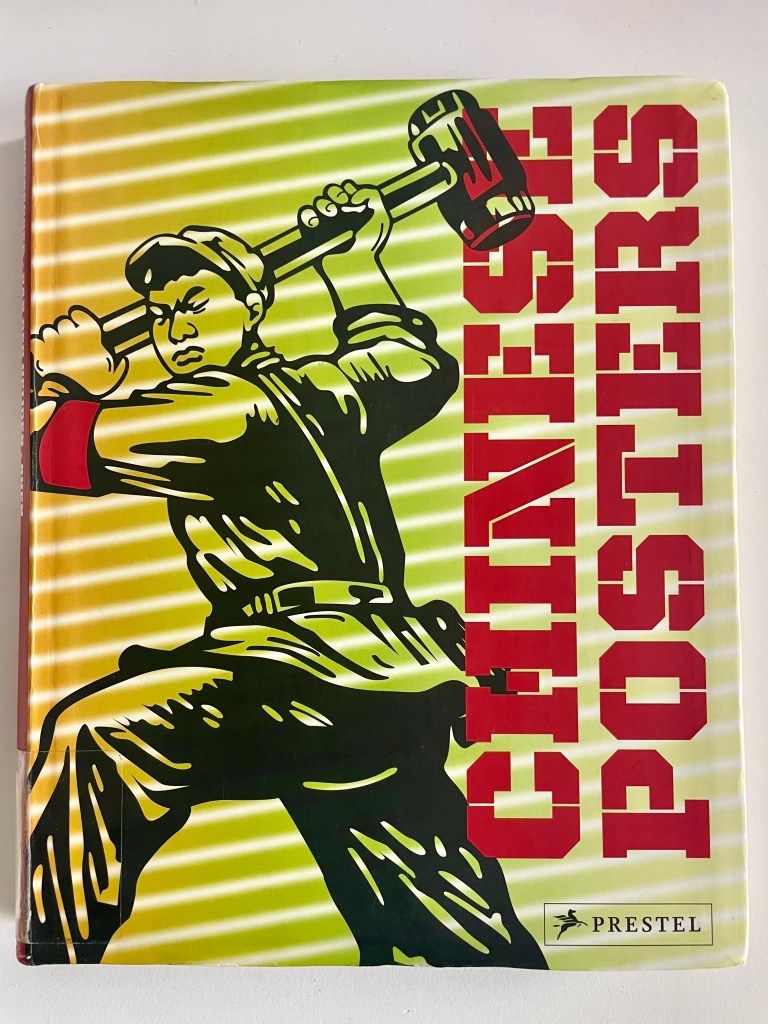
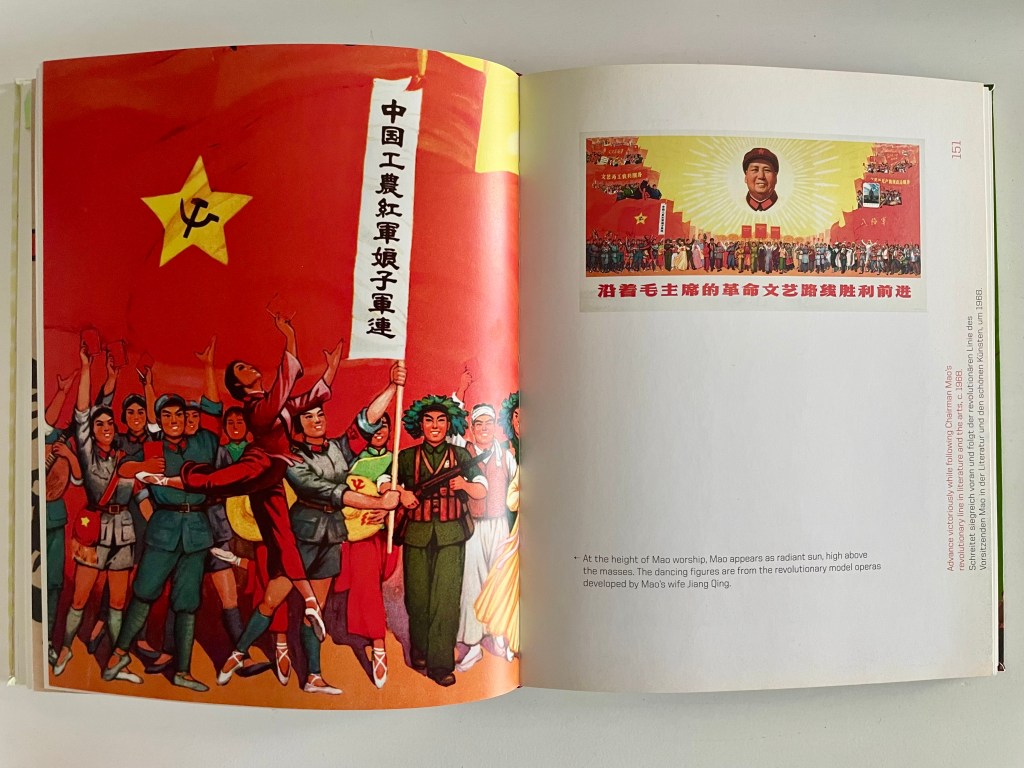
As an artist myself, I’ve always been drawn to the propaganda posters that were produced during this time. Propaganda posters capture so much about the sensibilities of a nation—the hopes, fears, and anxieties of the people. I referenced several texts, one of my favorites being Chinese Posters (Prestel, 2009). Classic examples of Chinese propaganda posters are often dominated by the color red—symbolic of the nation as well as communism. In this particular example from 1968, the slogan at the bottom of the poster is translated as “Advance victoriously while following Chairman Mao’s revolutionary line in literature and the arts.” Mao is centered, haloed in light: a divine sun illuminating the nation. The people, shown in a variety of outfits and occupations, wave flags and banners in his honor.
Films
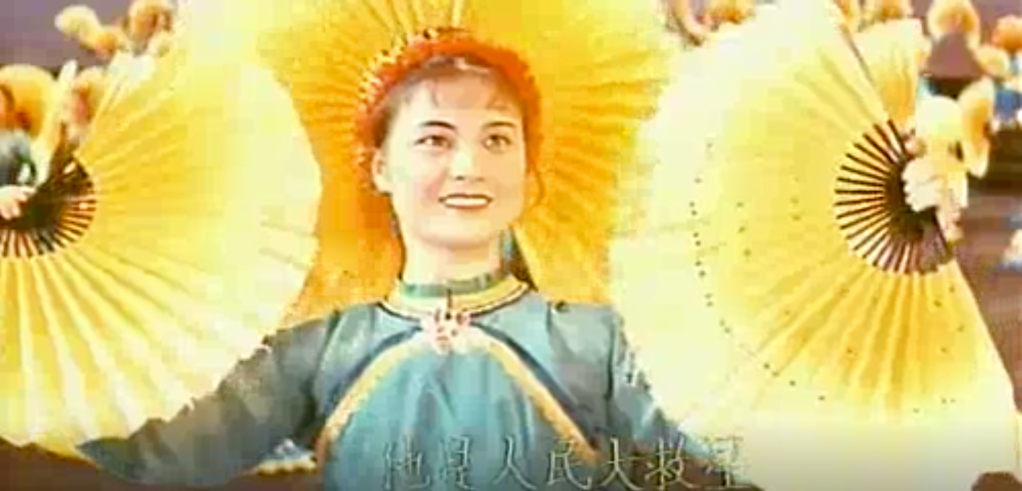
I also watched several films—films produced around the time of the Cultural Revolution, as well as more contemporary Chinese films that depict and reflect on the Cultural Revolution. The East is Red: A Song and Dance Epic (1965) is an operatic homage to the history of the Chinese Communist Party and Mao’s leadership, from the 1920s to the proclamation of the People’s Republic of China in 1949. I was interested in seeing how the Communist Party viewed its own history at the time, and the ways the Party reaffirmed its own identity and view of the future. The costumes alone make the film worth a watch, and it is available online with English subtitles here.
On the Importance of Names
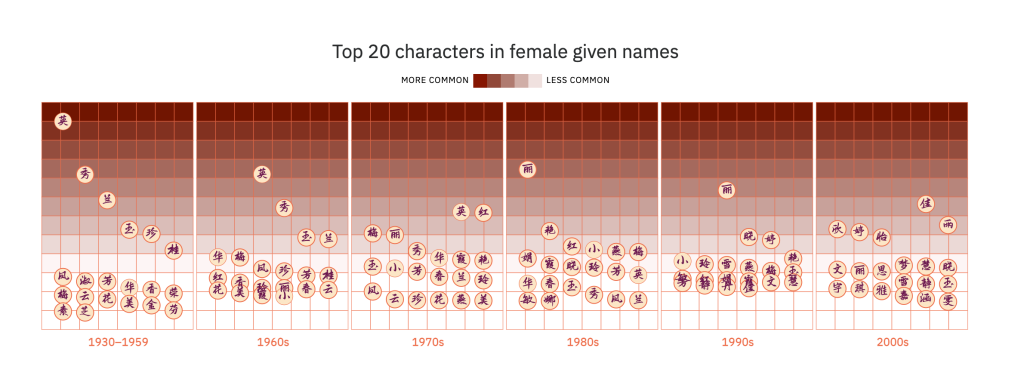
Names are so important in Chinese culture, reflecting the hopes and dreams of a family as well as a nation. For example, in the early 2000s, many parents named their children Aoyun (Olympics), in honor of China hosting the 2008 Olympics. During the Cultural Revolution, names might include the character jun (“soldier”) or hong (“red”) in them. Common names at the time were names like Weihong (“guarding red”) or Weidong (“guarding Mao Zedong”). In thinking how to name my characters, I looked to the names of extended family in my parents’ generation, as well as the names of my parents’ friends for inspiration. An incredibly thorough analysis of Chinese names through the decades can be found here.
How Music Inspired the Book
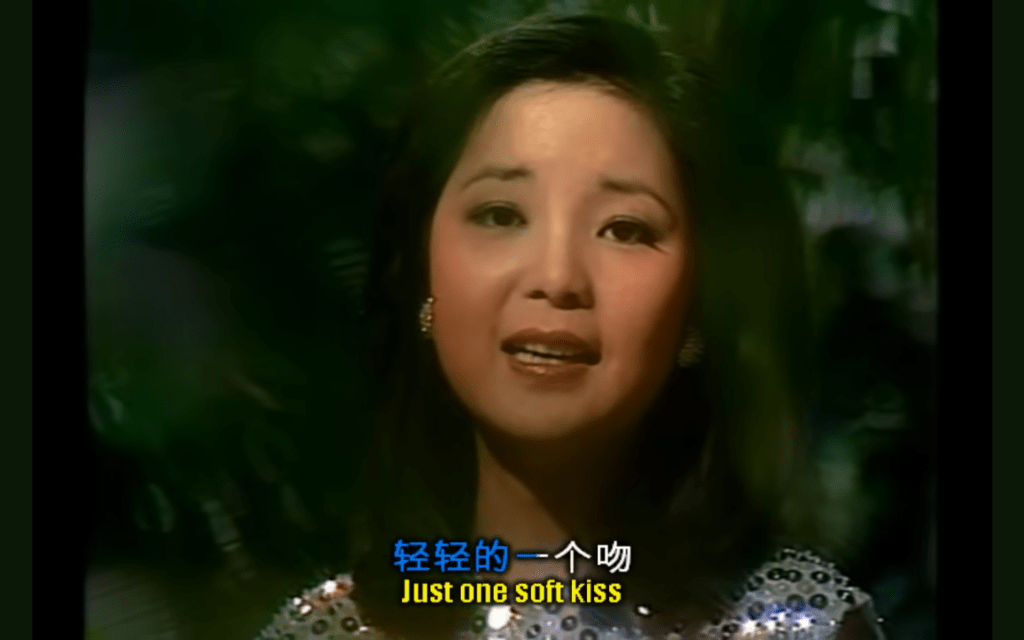
Of course, music is so important to my novel and to capturing an ineffable quality of the time. I listened to patriotic songs that would have been sung during those years, with titles like “The East is Red” or “March of the Revolutionary Youth.” But I also listened to Taiwanese artist Teresa Teng’s “The Moon Represents My Heart,” which was released right after the end of the Cultural Revolution in 1977. Her music was hugely popular in China among my parents’ generation and marked a drastic departure from the nationalistic songs of the past decade. Instead of songs about the love of one’s nation or Mao, Teresa’s songs about romantic love and longing swept the nation. I’m not ashamed to admit I listened to her on repeat while writing many scenes in Part II! You can watch the original music video for “The Moon Represents My Heart” with English subtitles here.
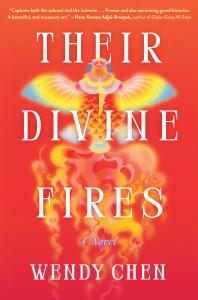
A captivating and intimate debut novel interwoven with folktale and myth, Wendy Chen’s Their Divine Fires tells the story of the love affairs of three generations of Chinese women across one hundred years of revolutions both political and personal.
In 1917, at the dawn of the Chinese revolution, Yunhong is growing up in the southern china countryside and falls deeply in love with the son of a wealthy landlord despite her brother’s objections. On the night of her wedding, her brother destroys the marriage, irrevocably changing the shape of Yunhong’s family to come: her daughter, Yuexin, will never know her father. Haunted by a history that she does not understand, Yuexin passes on those memories to her daughters Hongxing and Yonghong, who come of age in the years following Mao’s death, battling the push and pull of political forces as they forge their own paths. Each generation guards its secrets, leaving Emily, great-granddaughter of Yunhong and living in contemporary America, to piece together what actually happened between her mother and her aunt, and the weight of their shared ancestry.
Drawing on the lives of her great-grandmother and her great-uncles—both of whom fought on the side of the Communists—as well as her mother’s experiences during the Cultural Revolution, Wendy Chen infuses this gorgeous debut with a passion that will transport the reader back to powerful moments in history while bringing us close to the women who persisted despite the forces all around them. Both brilliant and haunting, it’s a story about what our ancestors will, and won’t, tell us.