Sustainable Ecosystem Basics
The idea behind permaculture is simple: take care of the earth, and the earth will take care of you.
Practical Permaculture: for Home Landscapes, Your Community, and the Whole Earth by Jessi Bloom and Dave Boehnlein introduces readers to permaculture, offering the tools needed to live a life rich in healthy food, safe housing, and renewable resources. Beyond providing tips for embracing permaculture design in personal gardens and community spaces, Bloom and Boehnlein answer some of the most-asked permaculture questions:
So, what is permaculture?
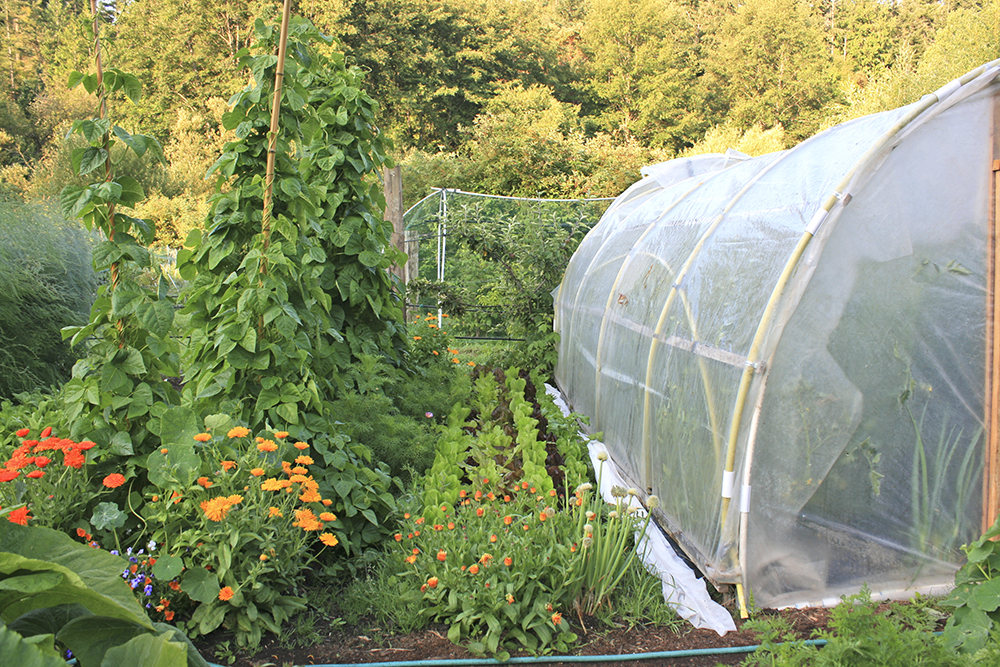
Permaculture is the development of ecological systems that are sustainable and self-sufficient.
“In permaculture, design decisions are first based on ethics and then incorporate the logic of natural systems. Mimicking nature’s patterns makes our lives more sustainable and less reliant on resources outside of our control. In contrast to living in a wasteful, consumerist manner that depletes our resources and doesn’t leave future generations that much to work with, permaculture is about building resilience and using only what we need and what we have access to—in other words, living within our ecological means…
In a nutshell, permaculture can be defined as meeting human needs through ecological and regenerative design” (Bloom and Boehnlein 11).
Who first coined the term permaculture?
Bill Mollison, an Australian biologist, educator, and author; and David Holmgren, an Australian environmental designer and educator, are credited with coming up with the term “permaculture.”
“Permaculture is a term first coined by Bill Mollison and David Holmgren in the mid-1970s. It has been defined in a huge variety of ways, with the most common being a contraction of the words permanent and culture” (Bloom and Boehnlein 11).


What are the principles of permaculture?
- Developing functional interconnection between landscape elements
- Choosing landscape elements that serve multiple functions
- Designing for resilience
- Creating systems that provide a yield
- Looking for small-scale, intensive solutions
- Mimicking nature and using biological resources
- Striving for biodiversity
- Solving problems creatively
- Keeping landscape elements in harmony with their nature
- Managing landscape edges and boundaries
- Cycling and recycling energy

Why is biodiversity important?
Biodiversity is a backbone of permaculture, helping ecosystems stay healthy and resilient.
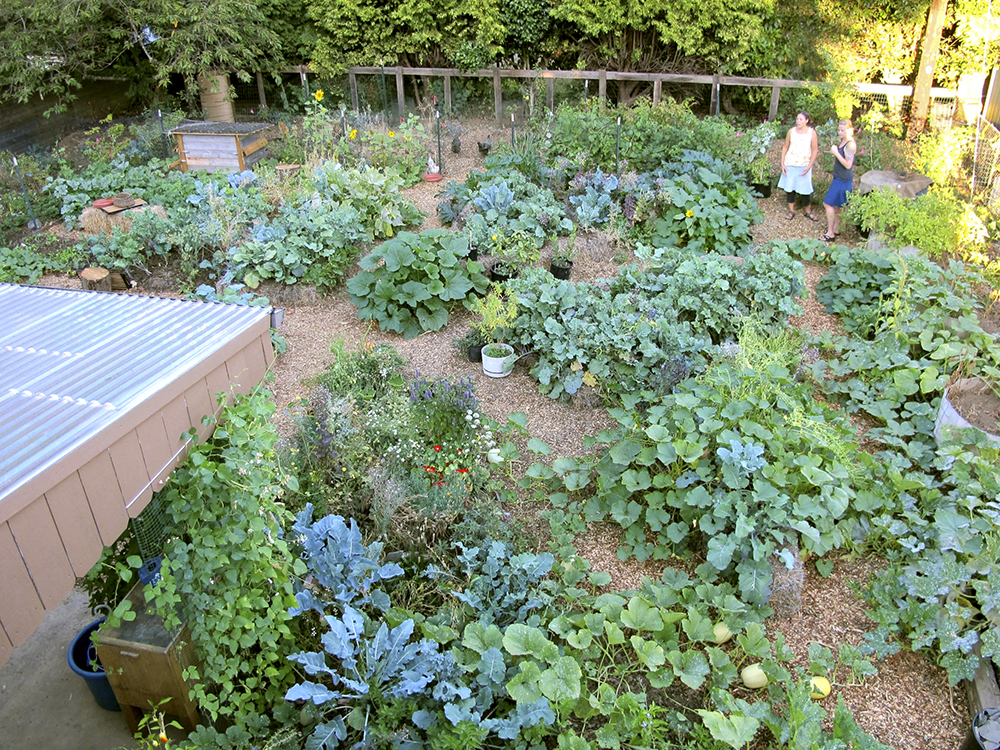
“The diversity of species is usually an indication of ecosystem health. Natural ecosystems contain a wide variety of organisms—humans, plants, animals, fungi, bacteria, and so forth—that interact in the web of life. The more species within an ecosystem, the more potential for beneficial interaction.
Species may come and species may go. The same goes for individuals, but if there are many species and genetically different individual present, the whole system will not collapse with those changes. This means the ecosystem, on a whole, is more adaptable” (Bloom and Boehnlein 36).
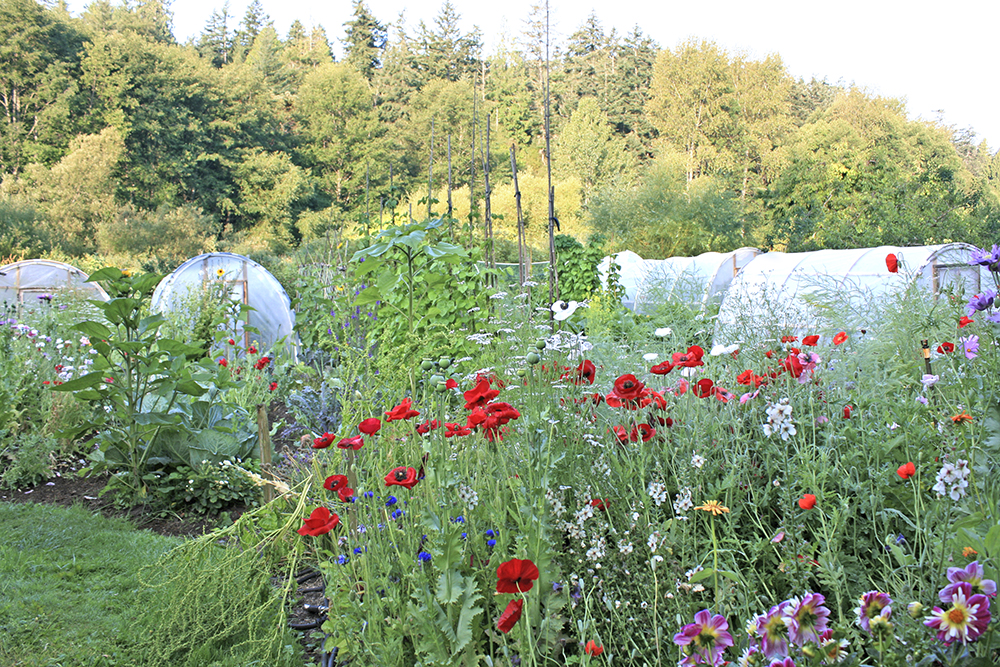
Learn more about how to put the basic principles of permaculture into practice with Practical Permaculture. This book guides readers through the process of permaculture design from land assessment to a completed master plan, offering detailed information on the plants, water, waste, energy, shelter, food, animals, and structures that comprise garden ecosystems and how to harness this system’s sustainability potential.
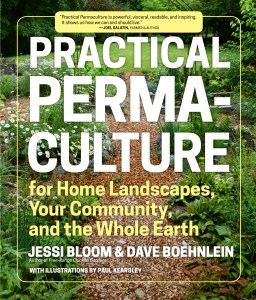
The concept behind permaculture is simple: take care if the earth and the earth will take care of you. In clear, logical steps Practical Permaculture offers the tools and advice you need to live a life rich in healthy food and renewable resources. Jessi Bloom and Dave Boehnlein, two dynamic leaders in the garden community, explain the basics of permaculture, sharing detailed information on the plants, water, waste, energy, shelter, food, animals, and structures that make up a permaculture landscape. Featuring the fifty most useful plants for permaculture landscapes and filled with real-life examples from all over the world, this invaluable resource will help you turn your property into a sustainable ecosystem.