How to Establish Priorities from Joyce Meyer’s New BookThe Pathway to Success

Stephen R. Covey wrote the popular book The 7 Habits of Highly Effective People. I think we all want to be effective and successful, but in order to do this, we must be able to establish priorities. There are four levels of priorities: urgent, high, medium, and low. One way to begin setting your priorities is to list each one, and then put it into the category in which it belongs. This way, you will be able to clearly see them.
A priority is something that is more important than other things that may also be important. We all have priorities, but some people don’t know which ones to put first, second, third, and so on. We have already established that if we want to have a successful life, God must be our first priority. For me, this is not something I have to think about; it is an ingrained habit. The first thing I do after getting up and making my coffee each morning is go to the place where I spend my time with God. You may need to arrange your life differently than I do, but however you order your day, God must be a priority.
There are many opinions on what people’s priorities should be, but I will tell you mine. God is first, followed by my family, then taking care of myself, and then my ministry. Besides those four, other situations regularly arise and need my attention. As they come up, I also prioritize them appropriately. In my ministry, my first priority is prayer and then Bible study. After these, I prioritize doing television, preparing for conferences, and writing books.
DON’T PROCRASTINATE
I highly recommend not leaving important things until the last minute. If you do, you will almost surely end up stressed. I always stay ahead on writing my books and preparing the messages I teach. I look at my calendar and see what is coming up over the next several weeks so I can schedule time to complete each task, usually two weeks in advance. This enables me to feel relaxed when the time draws near to actually do what I have prepared to do. When writing books, I stay six months to one year ahead of schedule because books are such big projects.
This gives me plenty of time to go over them and make any changes I think will make them better. I have read in many places that procrastination is a significant stressor. When we know we have to do things and keep putting them off, they weigh heavier on us each day we delay. I advise people to get their hard jobs done first. If there is something you dread doing, just do it and get it over with.
What do you need to change in your life? If you have been doing something wrong, it’s never too late to do it right. Don’t waste time feeling guilty about the time you already wasted, either. That will only cause you to waste even more time.
Download the worksheet on establishing priorities from Chapter 6 of The Pathway to Success!
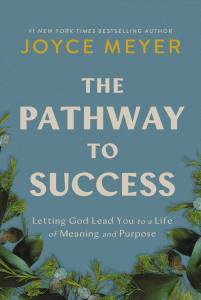
Renowned Bible teacher and #1 New York Times bestselling author Joyce Meyer shows readers how to realign their perspective on success to conform with God’s vision for the kind of life that brings us true purpose and lasting joy.
The world tells us that having a good job, your own business, money, fame, and influence are all important for a successful life. If we don’t have them, we feel like a failure. But even when we achieve them, we’re still unhappy, unfulfilled, or lonely.
God wants us to be successful, but His definition of success is not the same as the world’s definition. The truth is, God’s way of achieving the dreams and desires that truly fulfill us and bring genuine joy to our lives is very different—and that is what we need.
In The Pathway to Success, you will discover a deeper understanding of what it means to seek success God’s way. Through her practical, relatable insights based on God’s Word, beloved Bible teacher Joyce Meyer reveals how to actively pursue the keys to true, lasting success. Full of rich encouragement and timeless wisdom, The Pathway to Success will allow you to refocus your life and fulfill your God-given destiny as you walk out the purpose He’s planned for you.