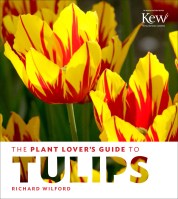
Books for Bulb Planting!
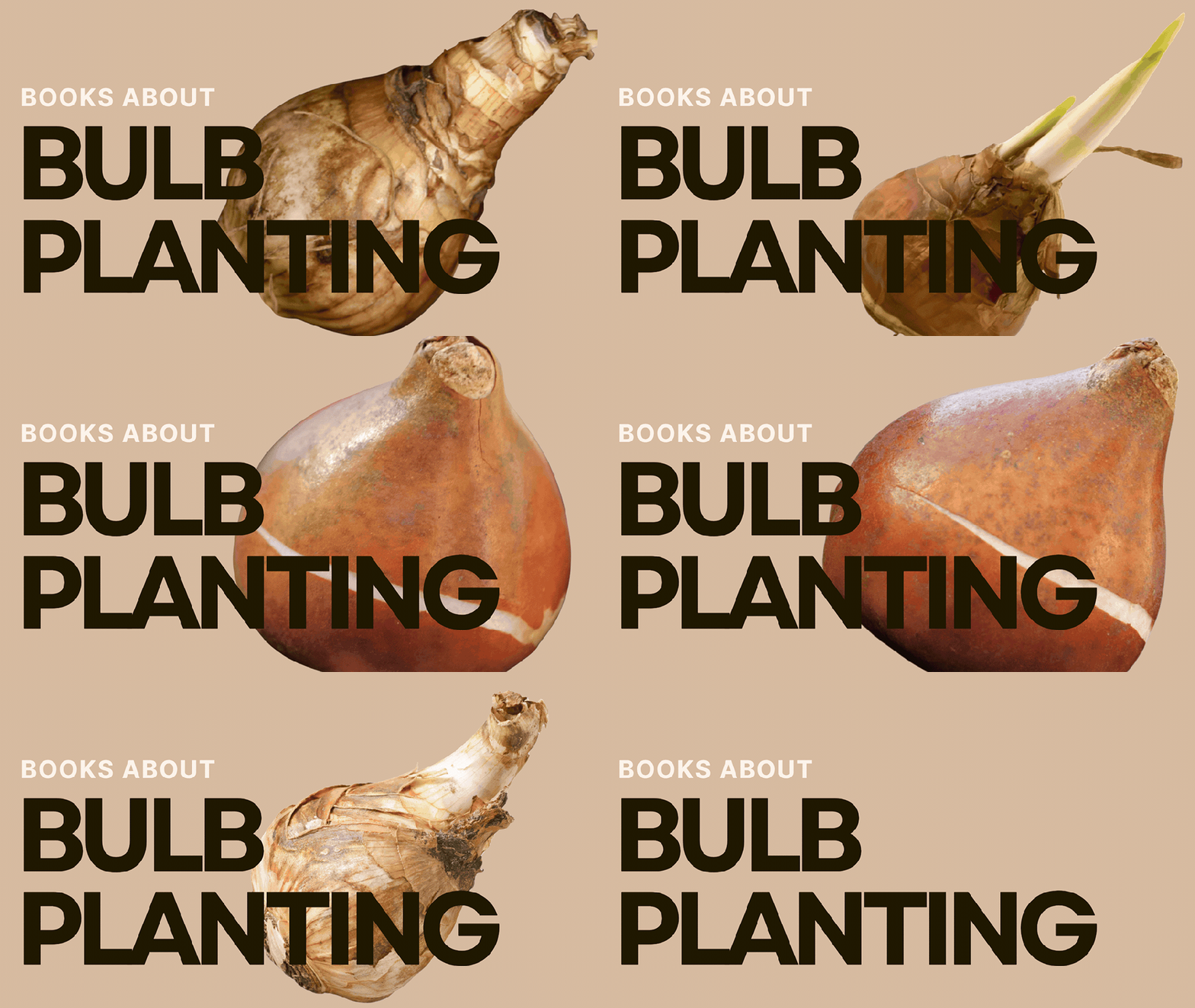
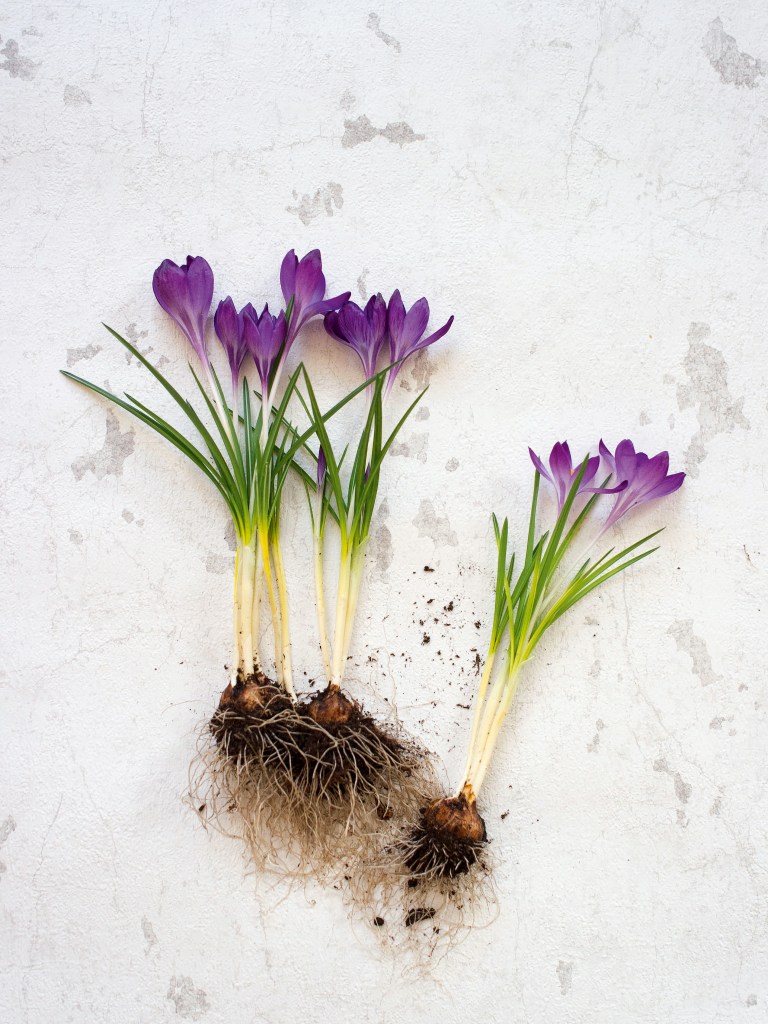
What is a flower bulb?
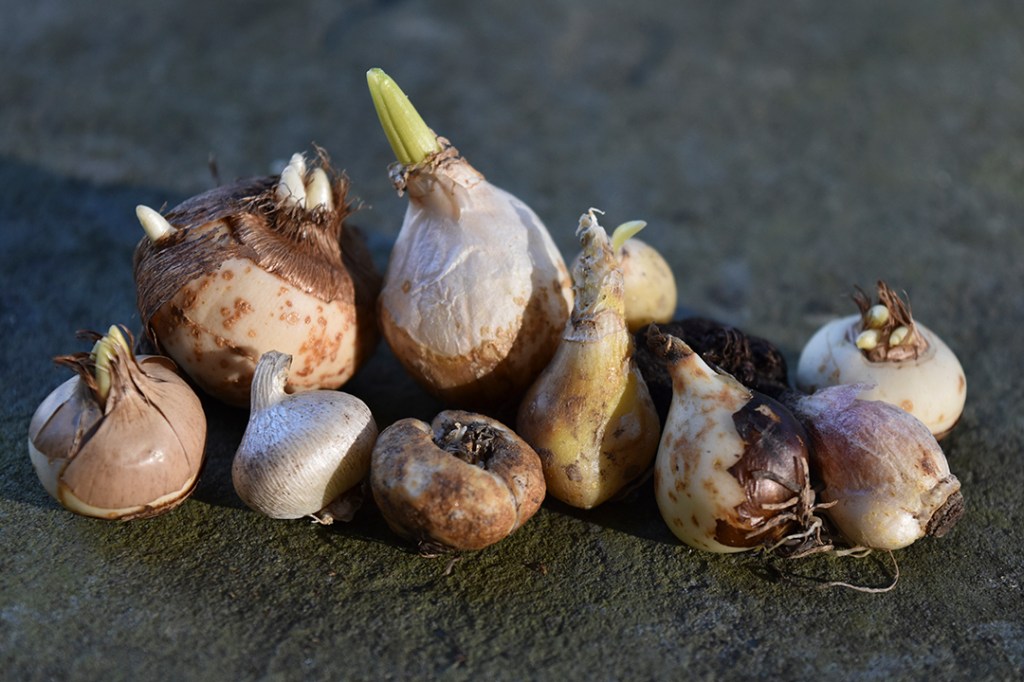
The term bulbs refers not only to actual flower bulbs such as tulip and daffodil, but also to corms, root tubers and rhizomes. It would actually be more practical and less confusing to use the generic term geophytes, which means plants with underground storage organs. But for convenience, we will stick to the term bulbs.
A true bulb is usually spherical but in some cases can also be a more elongated underground part of a future flower. A mini version of this flower is already contained within the heart of the bulb. If you were to cut the bulb exactly in half, you would be able to see it. It is surrounded by white, fleshy modified leaves, as in an onion, which are called scales. These scales contain all the nutrients the baby flower needs to grow into a mature flower. The scales are surrounded by a brown, papery skin, which protects the scales and therefore also the bulb.
—Jacqueline van der Kloet, Growing Bulbs in the Natural Garden
Fall Bulbs for Spring Flowers
“Gardening teaches us to be optimists. We plant seeds and bulbs that look brown and wrinkled and expect them to grow. We wait, not always patiently, for something to happen. Our minds race on to the full-blown flower and how beautiful it will look. Oh, what a glorious sight your flower garden will be!” —Jenny Rose Carey, The Ultimate Flower Gardener’s Guide
Jenny Rose Carey is a renowned gardener with extensive flower gardening knowledge. In her book The Ultimate Flower Gardener’s Guide you’ll learn how to combine shape, color, and texture to create the garden of your dreams! Here is some of her advice on growing bulbs:
“Bulbs are a fun and useful addition to the flower garden. Planting bulbs in containers or in the ground is one of the easiest ways to have a brilliant show of flowers in spring. They are relatively cheap to buy and produce flowers in an assortment of shapes and colors. Bulbs that are hardy in your area are the best value for money.
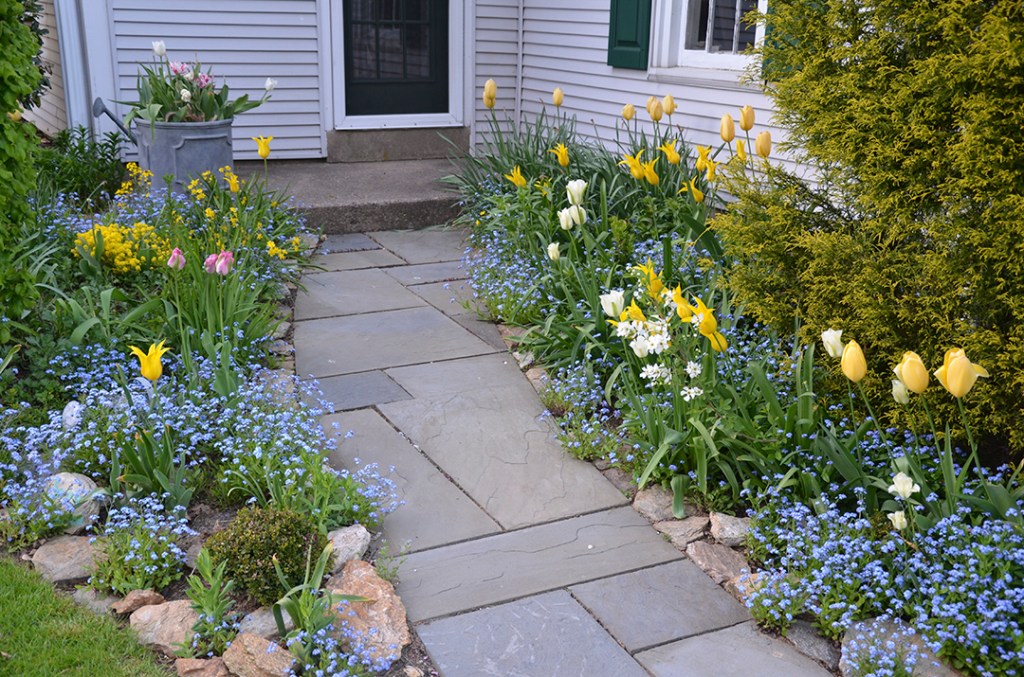
They should come up year after year and may be so successful that they multiply…Spring-flowering bulbs are perfect to plant right outside your door so that you see them whatever the weather.
Mix and match bulbs, thinking about flowering time, height of bloom, shape of flower, and colors. They can be planted directly into the ground or in deep frost-proof containers. In pots or for an annual show in the ground, pack them close together but not touching.
Layer the bulbs if you want a spectacular spring display. Put the largest bulbs toward the bottom of a ole, then add the next largest, and the smallest ones on top, separating each with a layer of soil. They will find their way through the other bulbs to bloom. “

“Full of practical insights, ideas, and inspiration to help you grow the flower-packed garden of your dreams.”—Greg Loades, author of The Modern Cottage Garden
The colors, shapes, and scents of flowers are as ravishing to the senses as to the soul. But it’s all too easy get things wrong: colors that clash, flowers that bloom at the wrong time, plants that fail to thrive. Enter The Ultimate Flower Gardener’s Guide by expert gardener Jenny Rose Carey. She tells you exactly how to get started, how to combine plants for the most spectacular effects, and how to keep your garden going from year to year. Whether you’re interested in dramatic color combinations, how best to use a favorite flower, or how to create a garden for a specific purpose, such as nourishing pollinators, you’ll find the answers in this friendly, information-packed book. As Jenny herself says, “Don’t be afraid—just have a go!”
Bulb Garden Planting Styles
Trends in gardening come and go. By the time you are reading this, I have no way of knowing what will be fashionable in gardens, but I do know that people will be growing some of the bulbs in this book. Gardeners have loved growing flowers from bulbs for centuries; it’s a trend that has always been in fashion, so to speak. During that time, certain bulbs have been “in” during one decade, and at another time, “out.” How about big blowsy dahlias in vibrant colors? Or tiny snowdrops? What do people think about those now, at the time you’re reading this? Whatever the specifics of the current obsessions, there will be gardeners who grow bulbs. I know this because bulbs are such good garden plants that we just must have them. —Jenny Rose Carey, The Essential Guide to Bulbs

When faced with all of the lovely possibilities, it can be difficult to decide which bulbs to plant. Focusing on why you want to grow bulbs in your garden can help you narrow down your possible choices. Whether you are planning anew garden or refreshing an existing one, bulbs can play an important role in adding color and interest.
The way that bulbs are arranged in a bed produces very different looks depending on whether they are planted in a formal or informal style. In formal gardens, placement is symmetrical. The bulbs may be removed after they flower to be replaced by the next batch. Informal gardens use bulbs in naturalistic or irregular patterns. Home gardens are often semi-formal in style, with a mix of formal and informal areas. —Jenny Rose Carey, The Essential Guide to Bulbs

“This beautifully photographed, comprehensive resource…offers deep knowledge and encouragement to choose, plant and care for your bulbs.” ―The Independent
An absolute must-read for any gardener who wants to level up their gardening skills, The Essential Guide to Bulbs is a gorgeously photographed, comprehensive, and inviting resource that is destined to become a gardening classic. Bulbs have a universal appeal—they are extremely diverse with many varieties to choose from, and they are great in containers. While many gardeners may be familiar with the early show of spring bulbs like daffodils and tulips, there are many more to choose from that provide three-season color, drama, and spontaneity in the garden. Plus, they’re great for a tighter budget.
Gardeners will discover:
- How to recognize what bulbs you love and personalize your garden to match your vision
- Planting techniques and design ideas for growing bulbs in any size garden
- Incorporating bulbs for pollinators, and the importance of ecological methods
- Tips for creating a brilliant bulb container garden in every season
- A wide array of bulb varieties with in-depth planting information
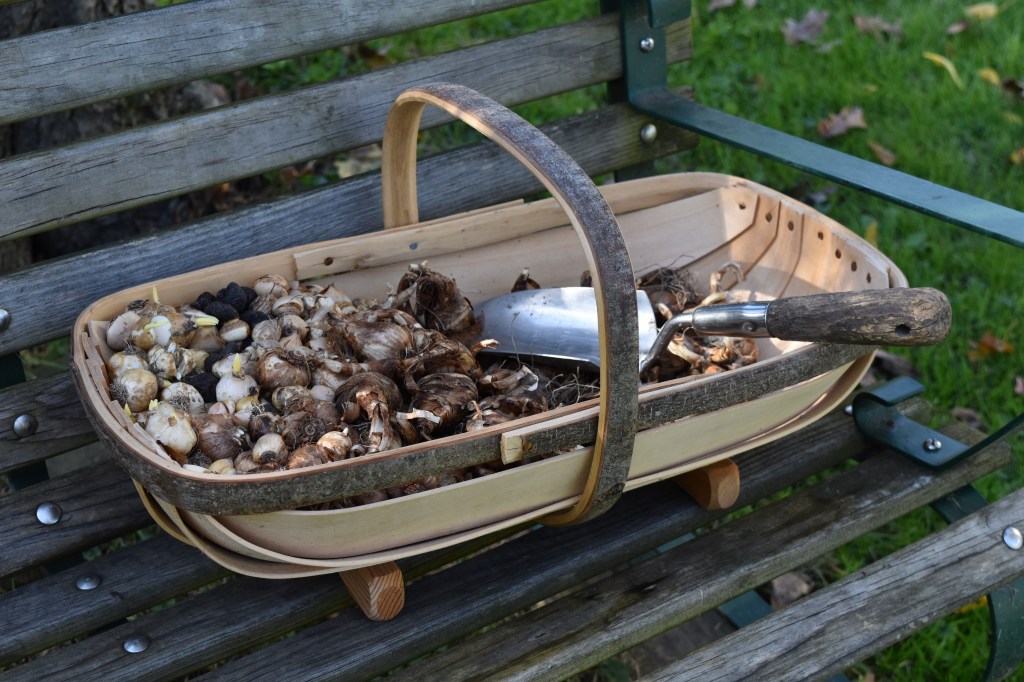
Simple Bulb Tips and Tricks for Next Year’s Blooms
The Month-By-Month Gardening Guide is a year-long primer on what to do when. It is a must-have for any home gardener, new or experienced, seeking clear guidance on garden success.

To be a successful gardener, you need to know two things: how to do something and when to do it. Both concepts are thoroughly tackled in The Month-By-Month Gardening Guide. This comprehensive approach to gardening guides home gardeners—whether you are growing vegetables, flowers, or houseplants—through a year of growing. Throughout, the emphasis is on organic, wildlife-friendly techniques. By following the guidance detailed in this hardworking primer, you’ll be well on your way to a beautiful and bountiful garden that will provide pleasure throughout the year.
Bulbs for Food with Barbara Damrosch
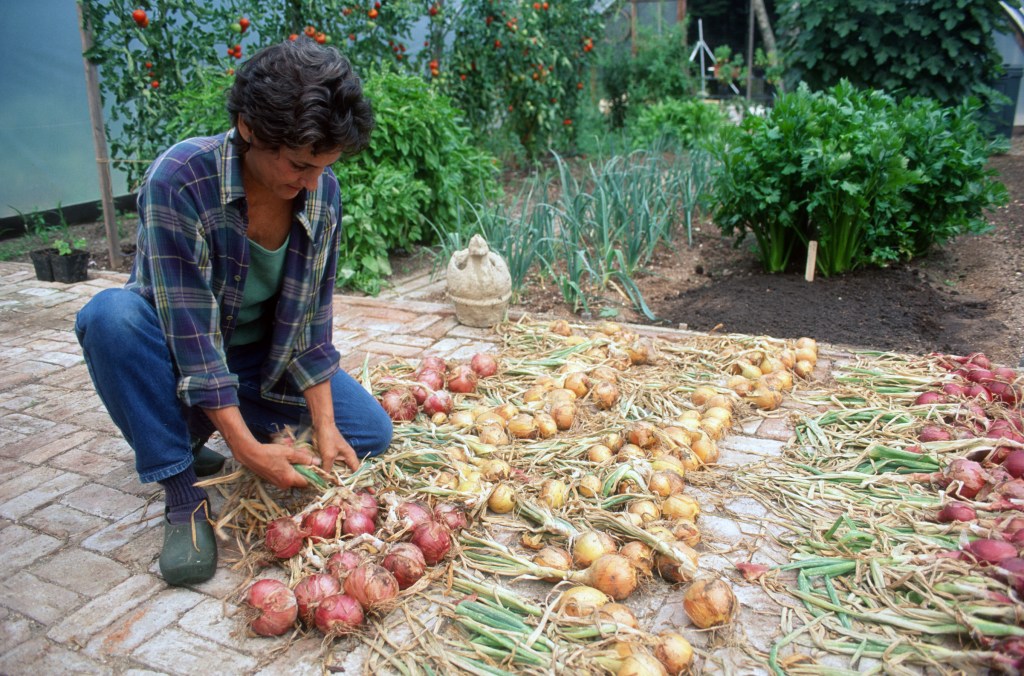
Enter the “Onion Tribe.” Legendary garden writer Barbara Damrosch shares everything you need to know about growing, curing, and preparing onions, garlic, scallions and more alliums. She recommends adding garlic to your fall bulb-planting routine, along with tulips, daffodils and lilies for larger heads of garlic.
“Drawing on a lifetime of organic gardening, Barbara Damrosch collects her lessons learned and wisdom gained into an easy-to-read-and-enjoy overview of kitchen gardening. For the new gardener, there is encouragement on top of nuts-and-bolts advice. For every gardener, there is inspiration to face the challenges inherent in a life deeply rooted in and fed from the garden.” —American Gardener
In A Life in the Garden, horticultural icon Barbara Damrosch imparts a lifetime of wisdom on growing food for herself and her family. In writing that’s accessible, engaging, and elegant, she welcomes us to garden alongside her. Personal, thoughtful, and often humorous, this book offers practical DIY insights that will delight gardeners, cooks, and small-scale farmers. With a personal and sometimes irreverent tone, Barbara expresses the pleasure she takes in gardening, the sense of empowerment she finds in it, and the importance of a partnership with the real expert: nature.
Bulbs in Unexpected Arrangements
“Bulbs dominate the planting schedule this month, many hundreds and hundreds of them. I don’t think of this as a chore; rather, I think of it as paying forward for the joy I will receive come spring. I scatter the bulbs, dig a small hole, pop each bulb in, and offer a silent Bless you, I hope to see you in the spring!” —David L. Culp, A Year at Brandywine Cottage

Along with his partner, Michael Alderfer, David Culp is the creator of the gardens at Brandywine Cottage in Downingtown, Pennsylvania. He is the author of A Year at Brandywine Cottage and The Layered Garden, and a noted expert on herbaceous perennials. He developed the Brandywine Hybrid strain of hellebores and was cited in the Wall Street Journal for his expertise on snowdrops.
“Arrangements don’t have to be about flowers; we use leaves and stems and pods and weeds. For indoor arrangements, foliage colors are beautiful on their own, or with a few flowers for highlights. This is also when we pot up bulbs like amaryllis and paperwhites for indoor display over the next couple of months.” —David L. Culp

“If you’ve been looking to be inspired by nature and everything your garden gives you, you’ll be enriched by the tips and wisdom presented in this book.” —Garden Design Magazine
There has never been a better time to dedicate yourself to a life enriched by nature. In A Year at Brandywine Cottage, David Culp inspires you to find that connection in the comfort of your own backyard.
Organized seasonally, A Year at Brandywine Cottage is filled with fresh ideas and trusted advice on flower gardening, growing vegetables and herbs, creating simple floral arrangements, and cooking seasonally with home-grown produce. You’ll find suggested tasks for each month, including advice on when to plant and harvest, how to weed and water, and what to plant for year-round beauty.
Packed with glorious photography by Rob Cardillo and brimming with practical tips, A Year at Brandywine Cottage is your guide to living your best life in—and out—of the garden.
Learn from acclaimed garden designer Jacqueline van der Kloet
“Spending a beautiful autumn day planting all these bulbs is always tremendously exciting because you can tell yourself that they are all little gifts that will open by themselves next spring, revealing a succession of spring flowers in little groups all over the garden.” —Jacqueline van der Kloet, Growing Bulbs in the Natural Garden
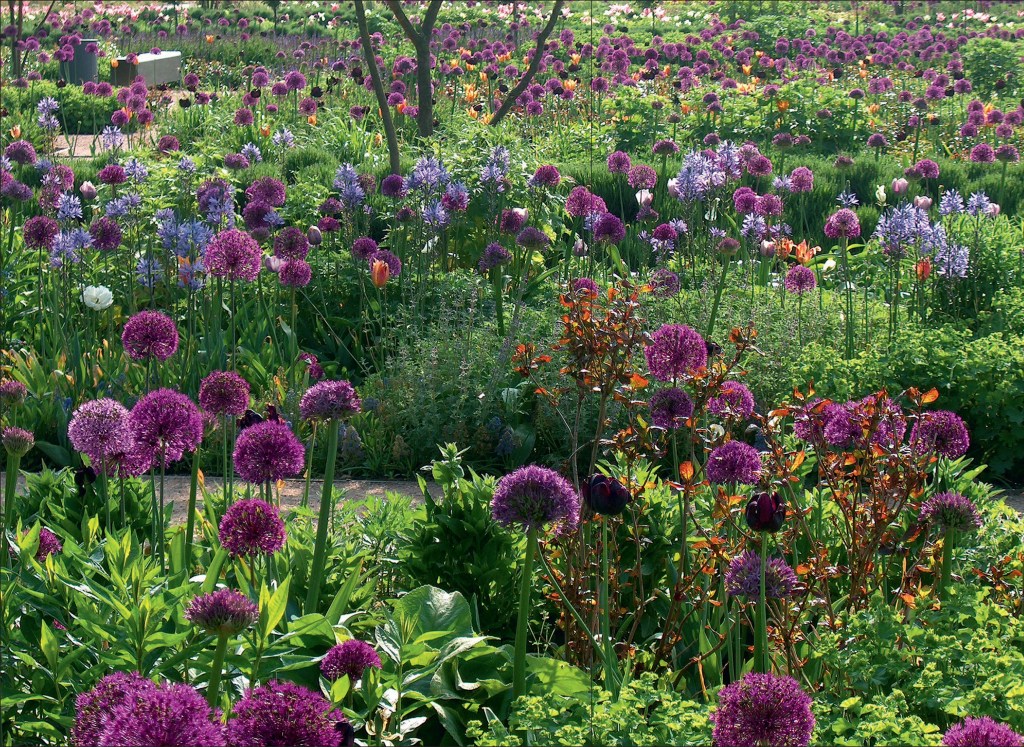

“The book is both beautiful and useful, offering advice for growing in containers, practical planting tips, suggested bulb-planting tools and even a list of bulbs that are pollinator favorites.” ―The Seattle Times
From the earliest snowdrops and tulips to late autumn crocuses, bulbs bring interest and color to the garden throughout the year. Learn how to add them to your garden with Growing Bulbs in the Natural Garden, a four-season guide to combining bulbs with perennials and grasses in a loose, naturalistic style. Renowned garden designer Jacqueline van der Kloet shares her years of insight and inspiration, explaining her magical technique where bulbs emerge playfully among other plants.
In this friendly guide you will find:
- The basics of growing bulbs in every season
- Tips on naturalizing bulbs so they come back every year
- Techniques for layering bulbs in smaller spaces
- Companion plants for constant bloom
- Lists of bulbs for every season
- Case studies from amazing gardens around the world
Jacqueline van der Kloet’s 4 Favorite Tools for Planting Bulbs
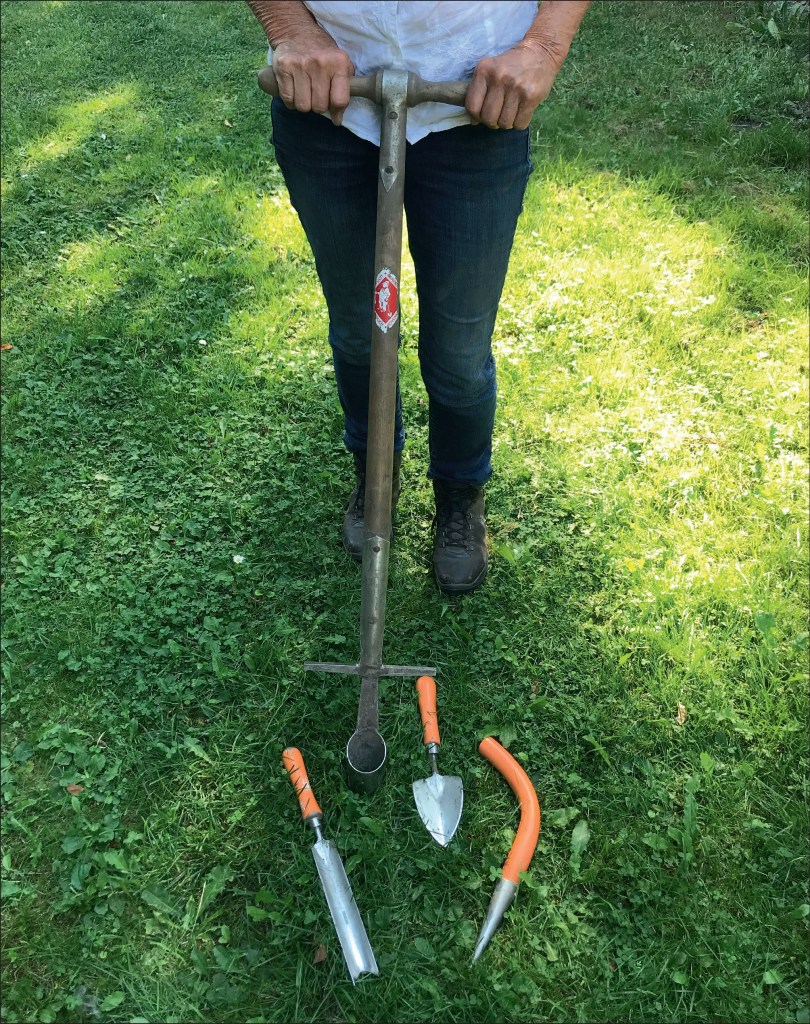
- A trowel with a sharp point that makes it easy to dig holes for daffodils, grape hyacinths, Fritillaria, snowdrops, anemones and suchlike.
- A tool with a long, semicylindrical blade with a sharp curved edge at the bottom—absolutely ideal for planting bulbs that need to be planted deep down at the right depth.
- A dibber, a sort of “pricker” with a metal point that effortlessly pricks holes in a lawn to drop snowdrops and crocuses in. The only thing you have to do when using this tool is have a bucket of organic compost nearby to fill in the holes afterwards.
- And then I have an original tulip planter; perhaps a bit superfluous, but when I heard that this model was based on Christopher Lloyds’ historical bulb planter, I just had to have it. It is a small, tapered cylinder at the end of a long pole, which you screw into the ground and then pull out again.